
Co-creation | Connection | Growth
Social-emotional Learning (SEL) as a Gift
What is a Social-emotional Learning course?
As a volunteer teacher, what can we do?
What makes summer volunteering teaching special?
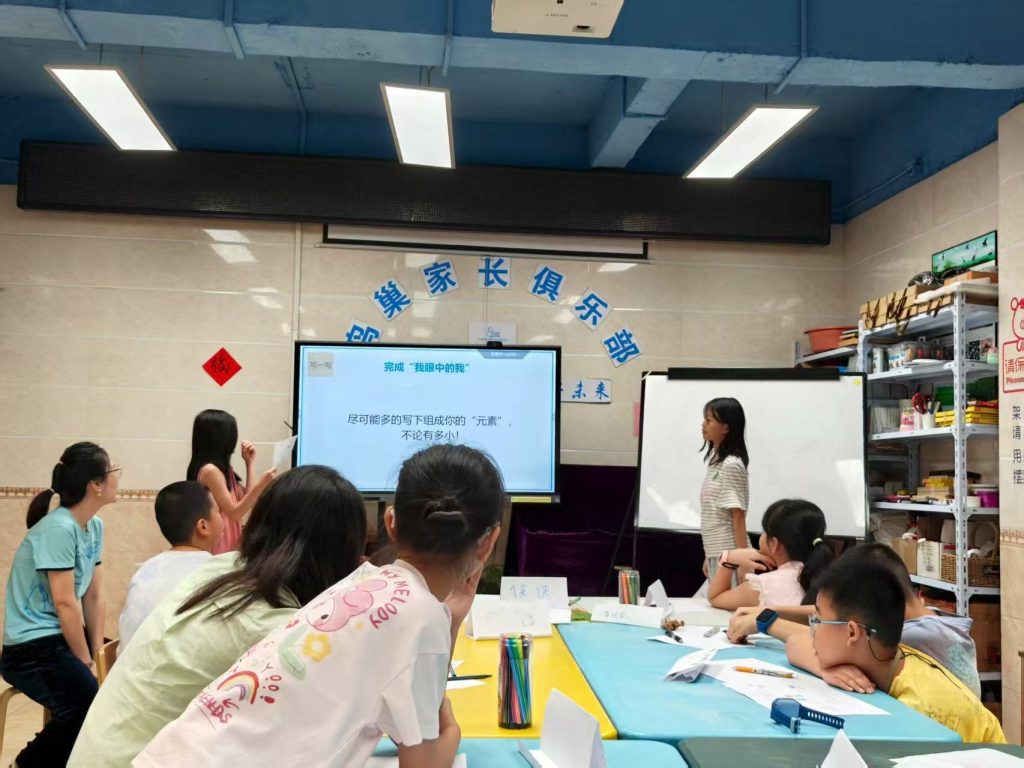
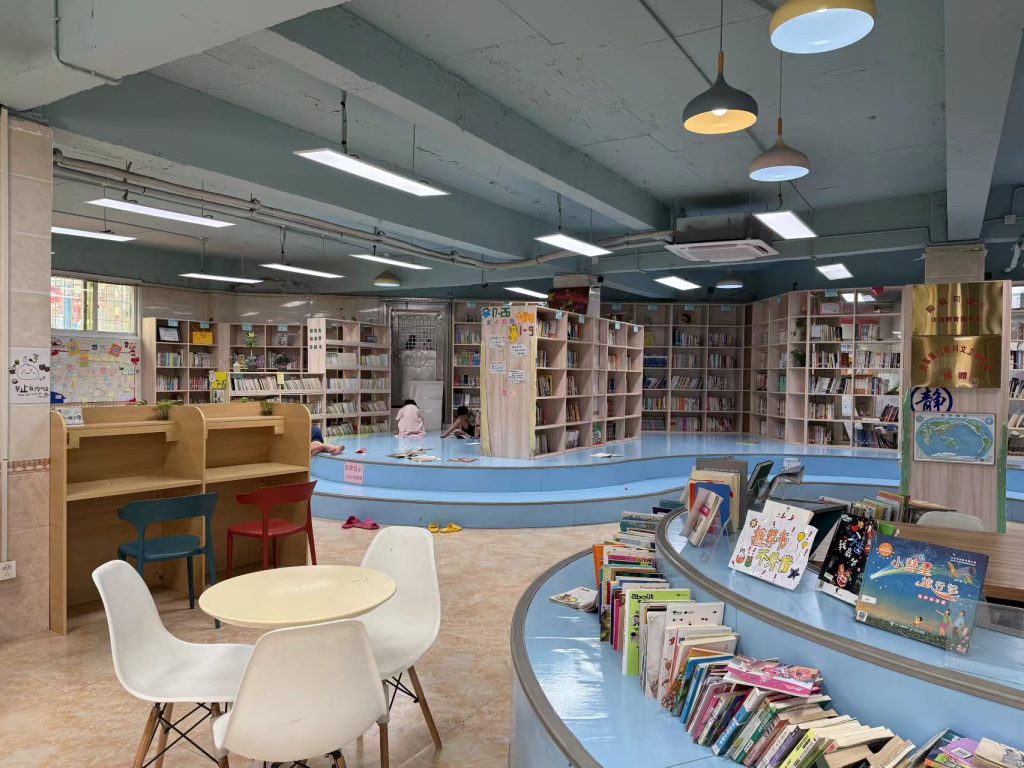
In July, Xiaxia, a teacher from the SEL summer volunteering program, carried out a three-week volunteering service at the Xiamen Gaodian Public Library. About this experience, she has many memories to share with us.
CO-CREATION —— Building a Safe Umbrella
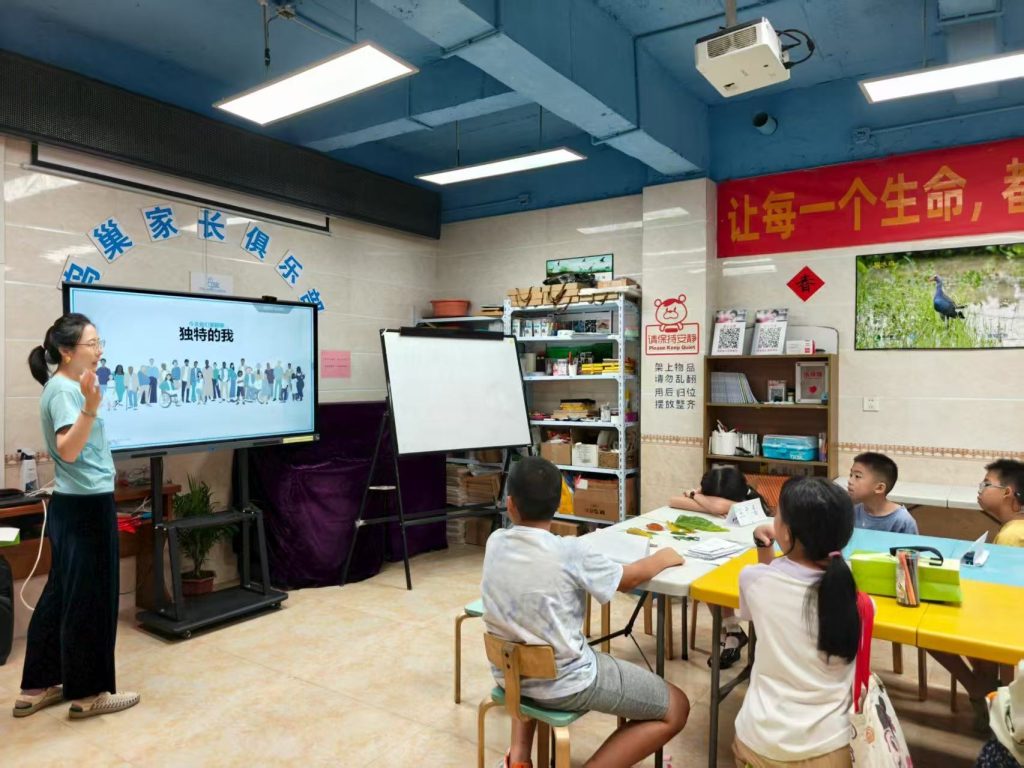
“Let’s open the umbrella together!” Every time I gave this instruction, the students’ eyes would light up as they made the motion of opening an umbrella, and only then would the class officially begin.
This seemingly somewhat childish action is actually a visualization of a classroom agreement: here, we will collectively follow the group agreement, building a safe umbrella over this space. Under this invisible umbrella, there is no judgment or criticism; everyone is trustworthy and mutually respectful, and each person can try to reveal their true self.
CONNECTION —— Through Understanding and Acceptance
Unlike subject-based classes with clear knowledge points, the learning outcomes of Social-emotional Learning courses are more implicit and cannot be judged solely by whether knowledge points are mastered. When we study and share in class, the “co-created safe umbrella” plays its role – genuine connections grow from acceptance and understanding.
After a few days of class, I noticed a young boy in the class who usually didn’t interact much with other students and would clearly resist when collaborative activities were required: “I don’t want to be in a group with others.” he would say.
I sought help from the program leader, Miki, who reminded us to offer him more support and attention. First, we needed to accept him, ask for his opinion, allow his unwillingness, and then kindly invite him to take a small step.
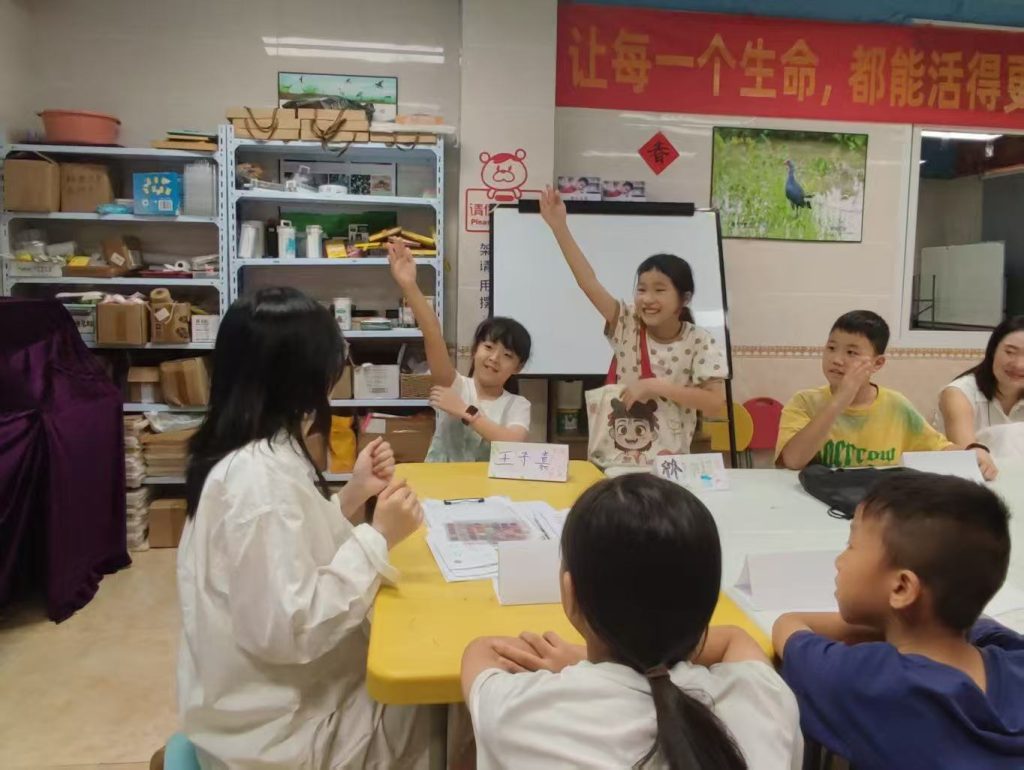
Slowly, he stopped fiddling with tank models in class and began participating more in classroom discussions, allowing us to understand him better. It turned out that his hostility stemmed from negative experiences with making friends, harsh treatment from his parents, and a “toughness” that came from lack of attention.
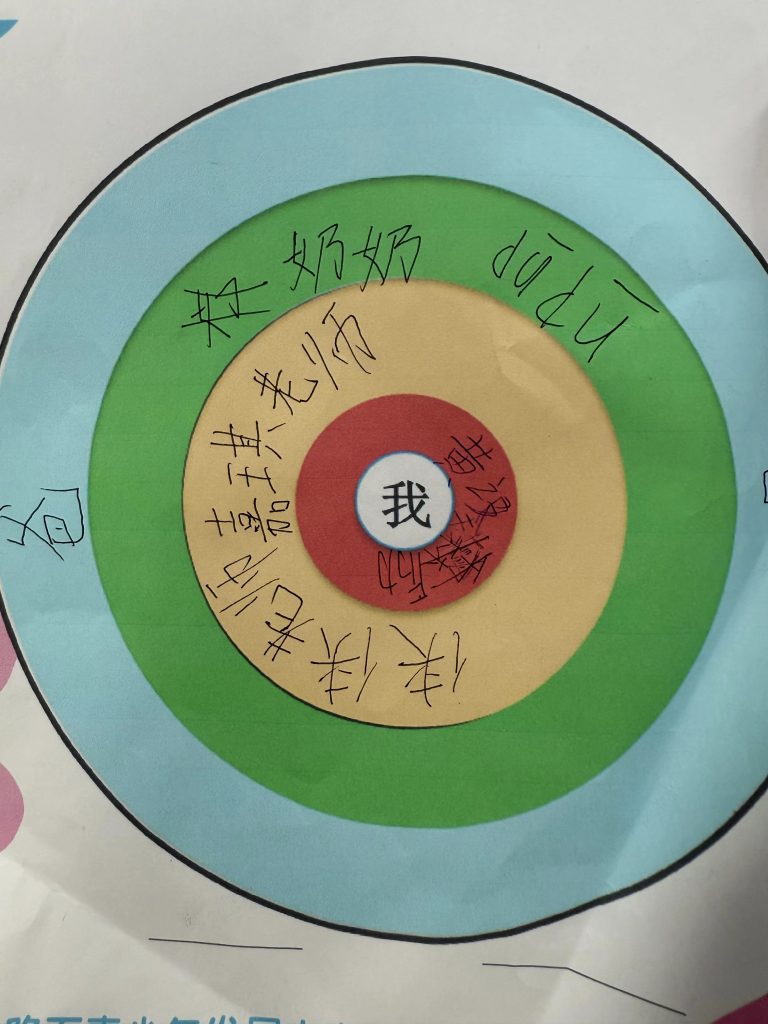
Even more unexpectedly, during an activity where we drew concentric circles of interpersonal relationships, he wrote down only a few names but placed the names of us two teachers in the second closest circle – the position representing the closest people.
After class, I asked him why, and he said, “Because I’m happy every day I come here, and you listen to me.” Touched and reflective, in just three weeks, we had actually established a genuine, trusting connection.
GROWTH —— Being A SOWER
The three weeks of summer volunteering teaching were not all smooth sailing.
When I was a volunteer teacher in Shanghai, as part of a weekly Social-emotional Learning course in schools, the students were fixed, and they all had the willingness tolearn independently and quickly get into the classroom mindset. This time in Xiamen, we were collaborating with a local public welfare organisation in a different location, welcoming mixed-age students from second to sixth grade, and we also had to face the frequent turnover of students during the summer and their different expectations of treating the class as relaxation and entertainment.

At first, I felt somewhat disappointed and troubled: the course has continuity, and I truly hoped that students could participate more to provide effective help for their growth.
This also made us reflect and adjust the course model: repositioning the class as a Happy Growth Camp, interspersing more drama games instead of lecturing, replacing blackboard writing with artistic creation.
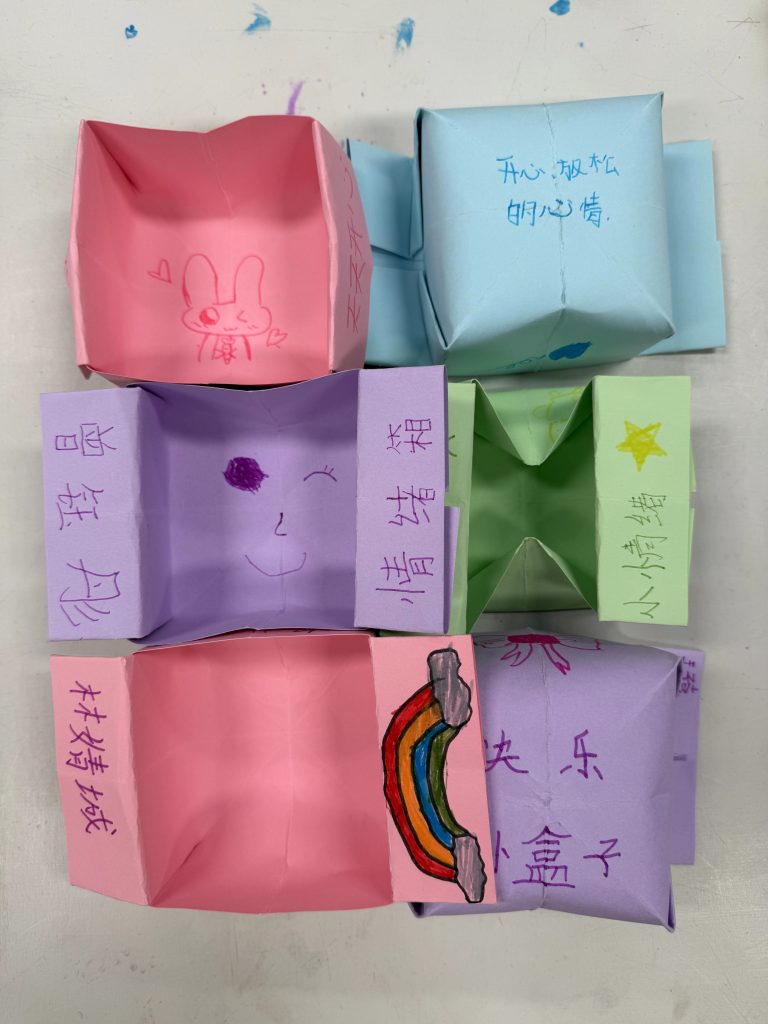
Students who enjoyed that course began attending classes regularly, even arriving half an hour early to wait in the classroom; those who had spoken harshly now expressed themselves more gently; and the shy students started raising their hands voluntarily to share their thoughts.

In the Social-emotional Learning classroom, we are more like entering a growth fitness center. Whether students or teachers, we repeatedly practice emotional awareness, a growth mindset, and focus on what we can change.
This adjustment in mindset made me more acutely aware: teaching Social-emotional Learning courses is like being a sower. Perhaps all we can support now is a small garden, but with diligent care, the right seeds will take root and sprout, and everyone will reap their own growth. In just three short weeks, time has already spoken.