
Weekends at Stepping Stones Center begin with the familiar scrape of desks and chairs, and the light patter of small footsteps.
Soon, the classroom doors close, and the hallway falls quiet again.
Behind those doors, moments unfold — small, vivid, and full of meaning. Here are a few glimpses we’ve captured and would like to share with you.
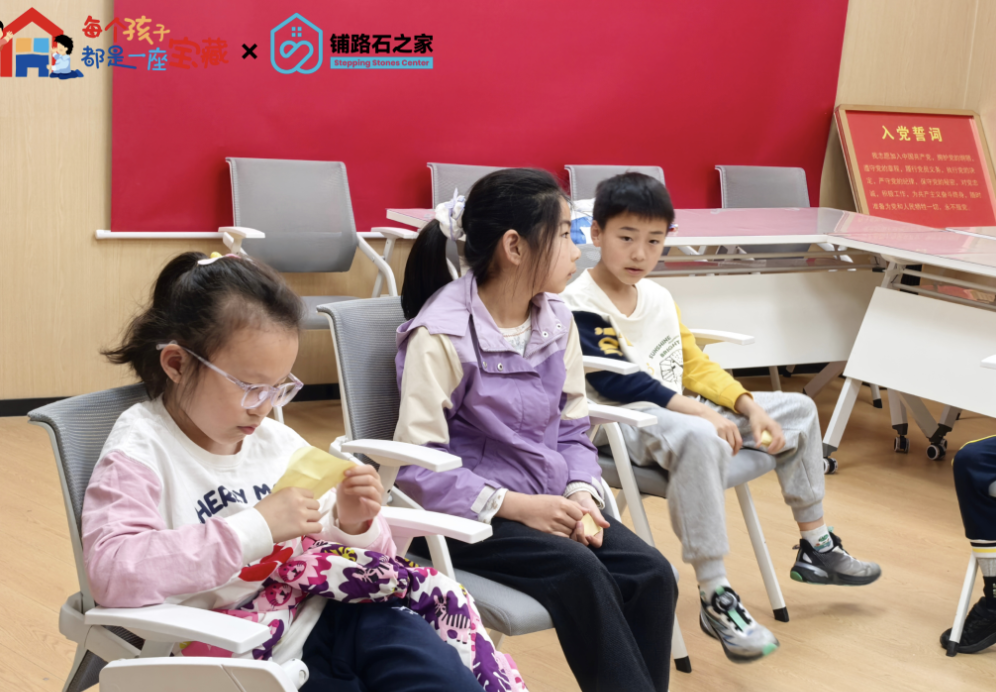
I Think I Am Important
As the lesson began, the teacher posed a question: In communication, what matters more — being able to hear clearly, or being able to speak clearly?
A ten-year-old student sitting by the door had a strong opinion. He offered a very current example: “I think Doubao is kind of annoying. It’s even more annoying than Yuanbao.”
From his experience, the frustration came when he couldn’t “speak clearly” enough for the AI to understand him, or when its responses didn’t match what he expected.
After this unexpected example, the teacher gently asked, “So, can AI help us understand something else?”
A brief silence followed. It felt like a big question. But the boy didn’t hesitate for long. Sitting there, he gave an almost instinctive answer: “I don’t think what AI says is important.” He paused, looked straight ahead, and added with quiet certainty, “I think I am important.”
In a time when even adults are trying to make sense of algorithms, a ten-year-old child instinctively affirmed the value of his own voice.
Is Liking Pink a Strength
The focus of this class was simple: what is a “strength”?
For the younger children, the word itself needed unpacking. The teacher offered a prompt: “For example, ‘liking to help others’ — what would we call that?”
“I think a strength is just your own advantages.” a child in the front row replied.
With that, something shifted. The idea of “advantages” opened the room. One by one, voices followed:
I’m good at math — that’s a strength.
My pale skin is a strength.Teacher… does liking pink count?
Does liking riding a bike count?
I like learning.
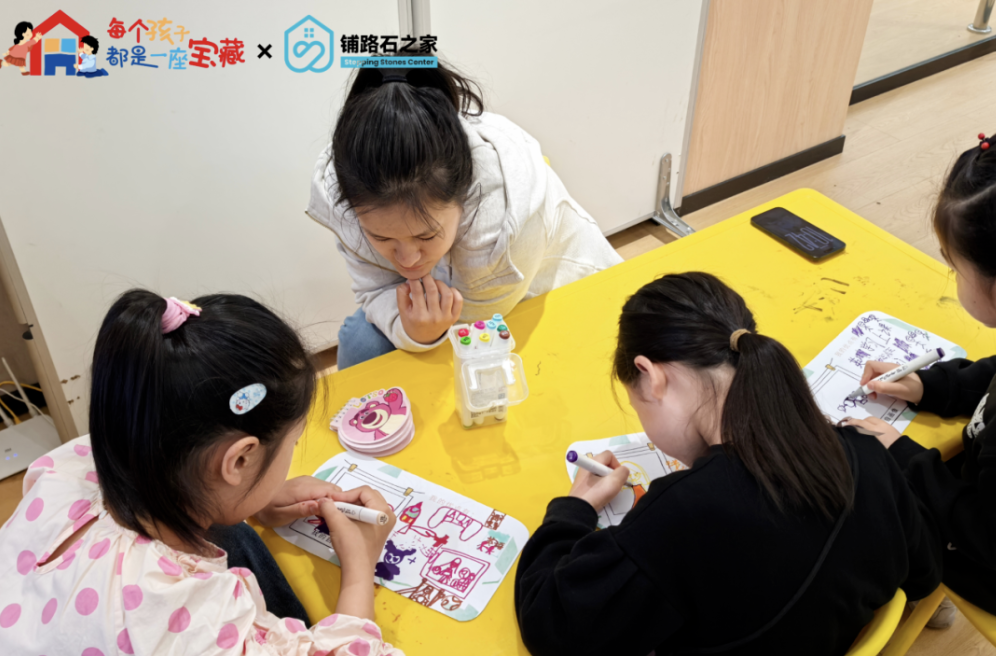
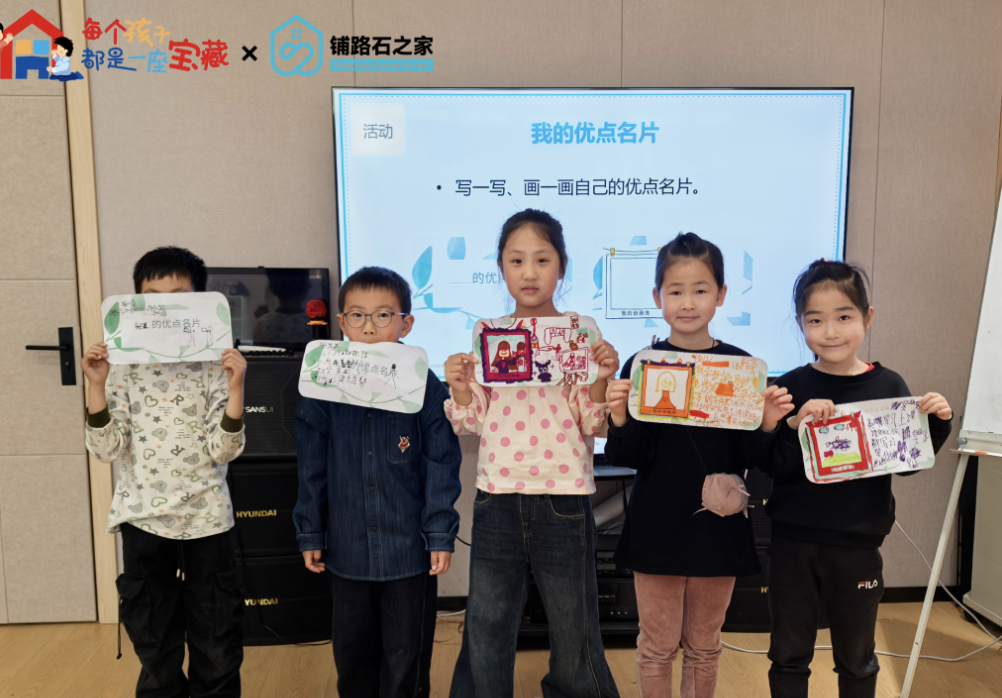
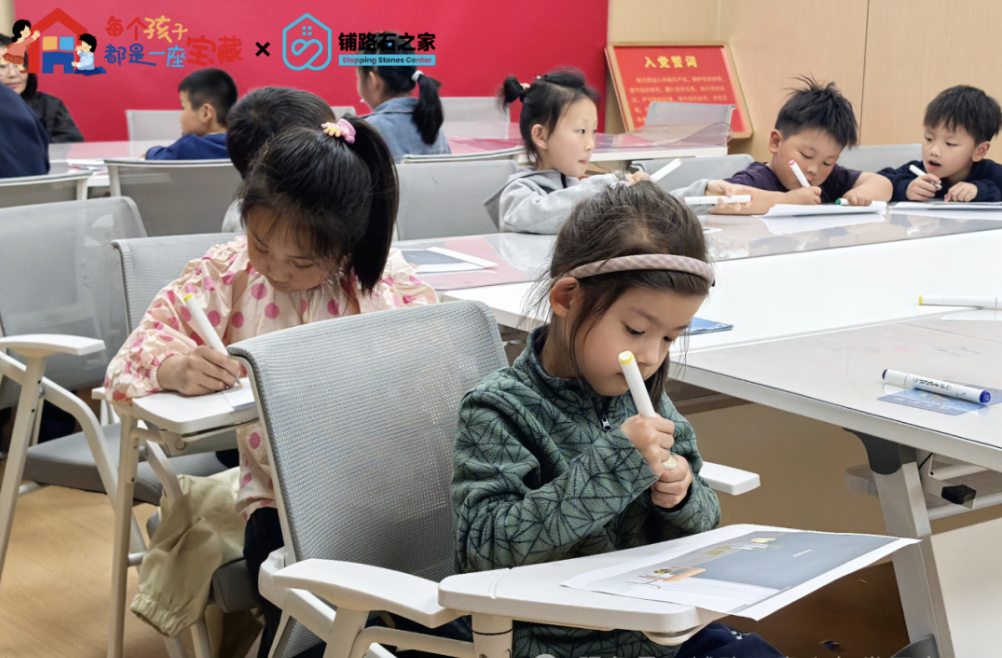
No one rushed to judge these answers by adult standards. The children picked up blank cards, lowered their heads, and began to draw. Coloured markers moved across the paper, forming simple self-portraits — round faces, straight lines.
Next to their drawings, they carefully wrote down the “advantages” they had just discovered.
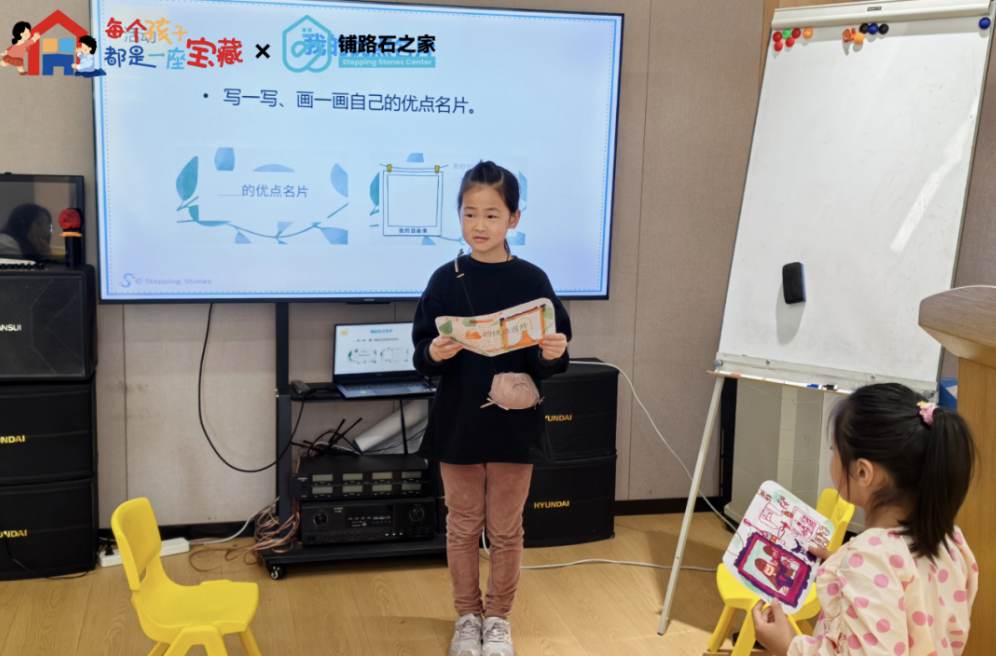
One by one, they stood up, held their cards close, and read them aloud.
The Hidden Toys
In the Fun Language classroom, the desire to win is simple and unmistakable.
All eyes were on the scoreboard.
Teacher, add a point for her!
He answered, don’t forget his point!
Voices overlapped as children eagerly defended fairness.
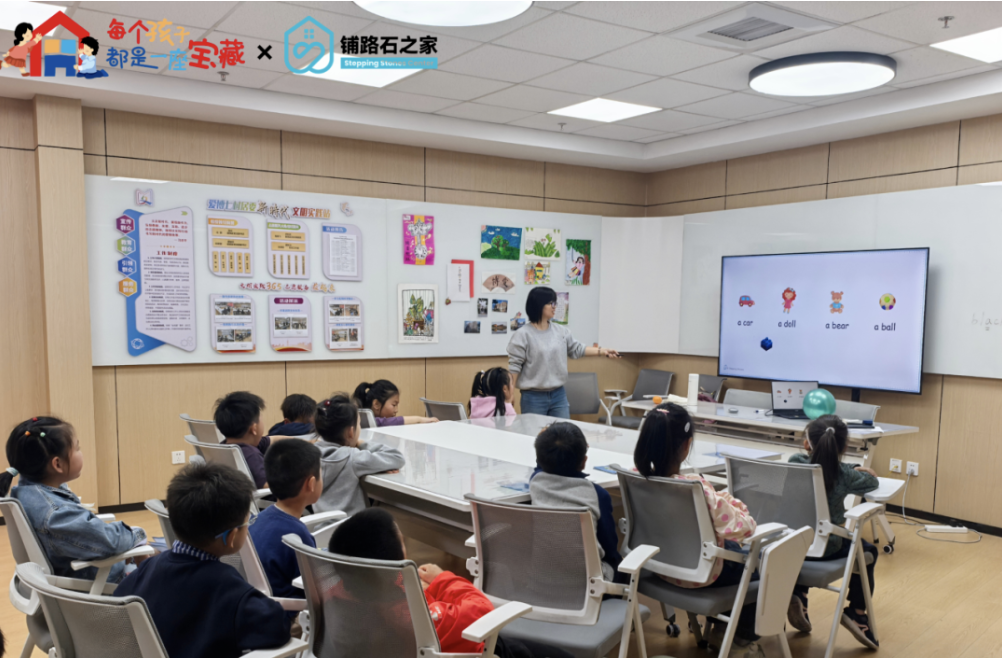
Amid the lively buzz, they learned English words for toys and prepositions of place.
Then, after the games, the room gradually quieted. The shouting faded, replaced by the soft scratch of coloured pencils. The task was to draw a room and place the newly learned toys in different spots. Ten minutes later, they paired up, bringing their drawings together.
Where is the Lego block?
Where is the teddy bear?
Using their still-developing English, they pointed to details on each other’s pages. Because the drawings were simple, they sometimes had to pause and look closely to find a hidden bear or block. Through these small exchanges, every toy found its place.
The Chicken or the Egg
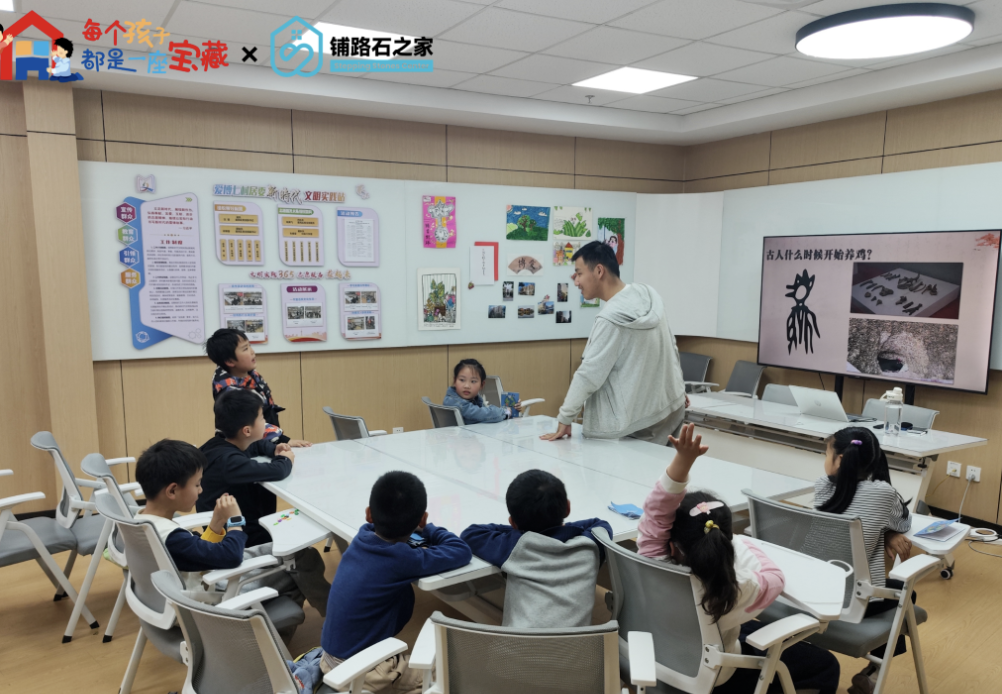
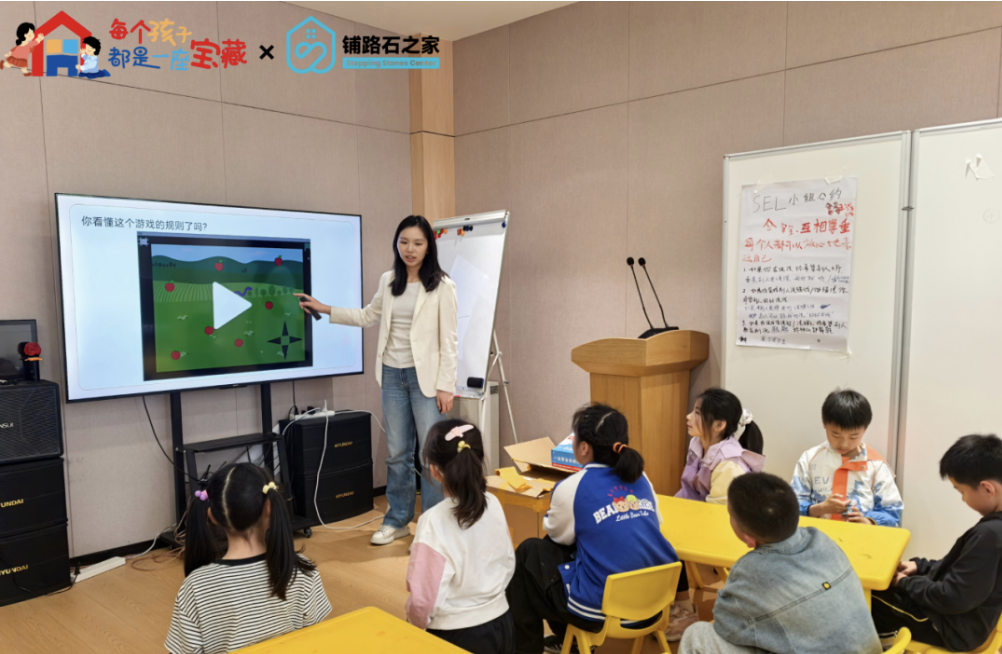
An image of a chicken appeared on the screen. This wasn’t a cooking class — it was a lesson about the history of food.
When everyday ingredients became the subject of inquiry, they sparked a cascade of questions: “When did chickens first appear on our tables?” As the discussion deepened, it naturally led to a classic puzzle: Which came first, the chicken or the egg? The room grew thoughtful. Some children frowned; others rested their chins in their hands, trying to reason it out.
One argued that there must have been an egg first to hatch a chicken. Another immediately challenged where the very first chicken come from.
Questions bounced back and forth. No one reached a definitive answer, but that didn’t slow the conversation. The debate carried on, full of curiosity and energy.
Let’s Look at This Snake Together
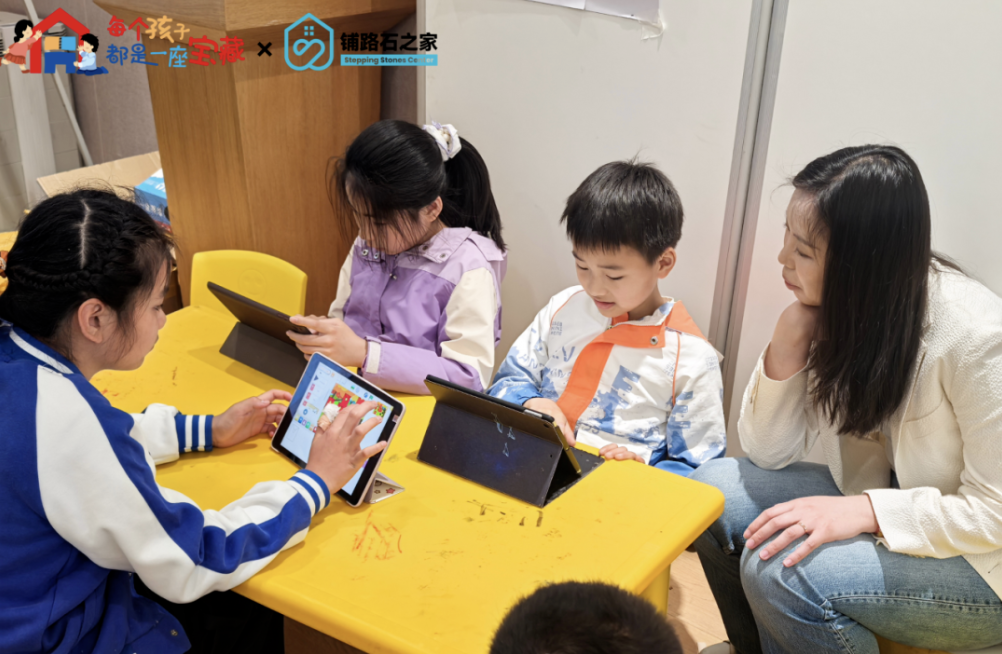
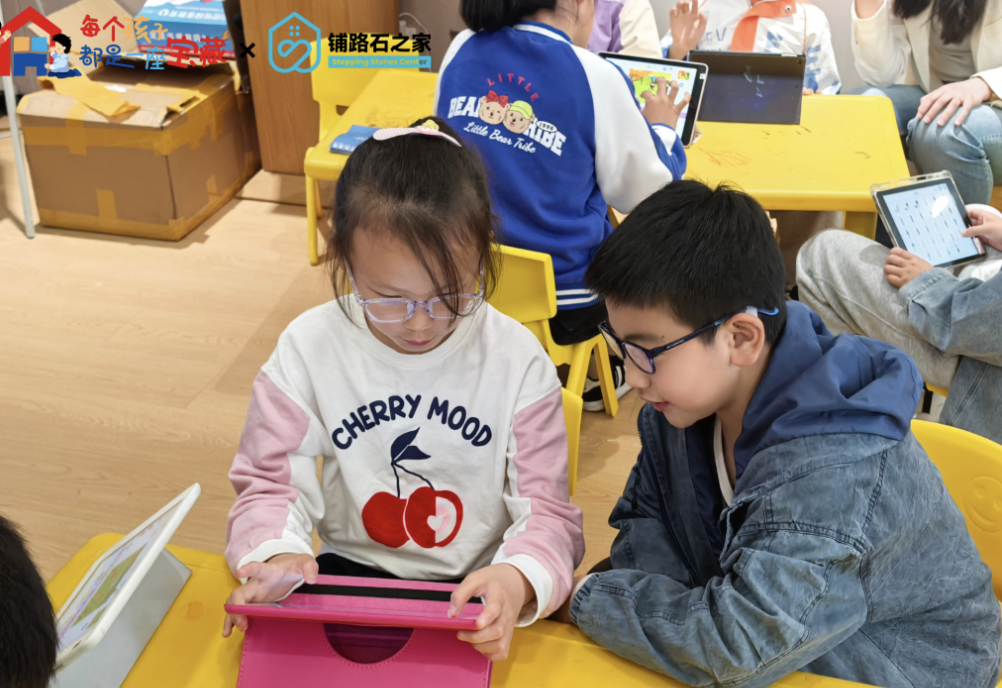
In front of their screens, several children frowned at rows of coding buttons.
On the tablets, a small snake moved unpredictably, chasing an apple it couldn’t quite reach. Fingers tapped rapidly, followed by a chorus of questions:
Teacher, how do I make the snake touch the apple and make it disappear?
How do I create direction buttons?
Why does the snake keep getting bigger?
How do I make the apple disappear?
The teacher didn’t step in right away.
At some point, two children facing the same problem leaned closer together. They stopped calling for help. Their heads bent toward the same glowing screen.
One child pointed at the restless snake and said softly, “Come on! Let’s figure this out together!”
The weekend classes came to a gentle close with this invitation.
The children packed their bags, pushed open the doors, and left.
The echo of footsteps filled the hallway once more — this time, heading outward.
See you next week.