This week at Stepping Stones Center, we took steps outward to explore the world around us while also turning inward for moments of reflection and self-discovery.
We captured children’s tears over winning and losing, their ideas of what makes a “good teacher”, and the wonder in their eyes as they stepped beyond the classroom and experienced something entirely new.
A Wonderful Weekend at the Luenthai Study Camp
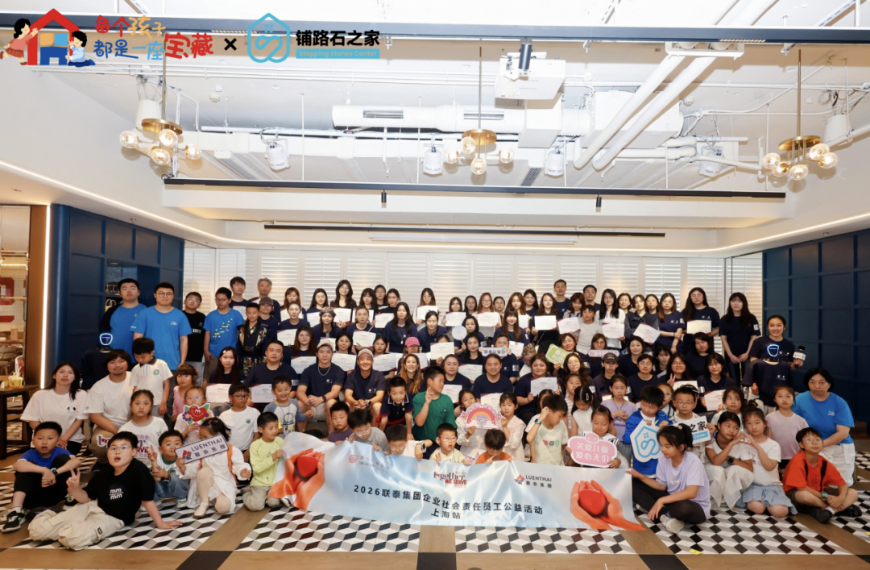
On Saturday, May 23rd, 2026, our Stepping Stones Center’s classroom moved to the Luenthai Center on Shenchang Road.
As the elevator doors opened, the children paused in surprise. Staff members from Luenthai were already lined up neatly along both sides of the hallway, welcoming them with warm applause.
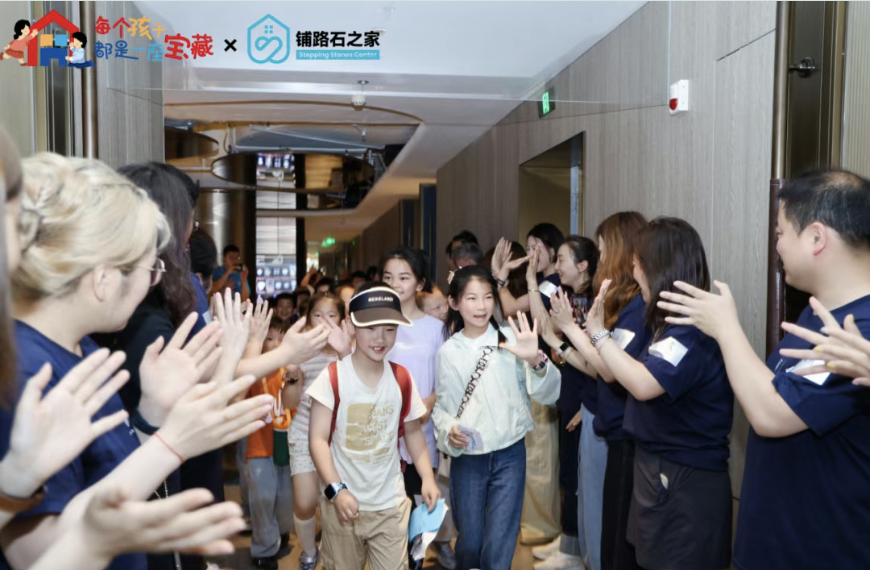
To help everyone break the ice, we began with a fun matching activity. Each child and volunteer received half of a playing card and searched for the person holding the matching half. Once the pairs found each other, big hands held little hands, and the day’s journey officially began.
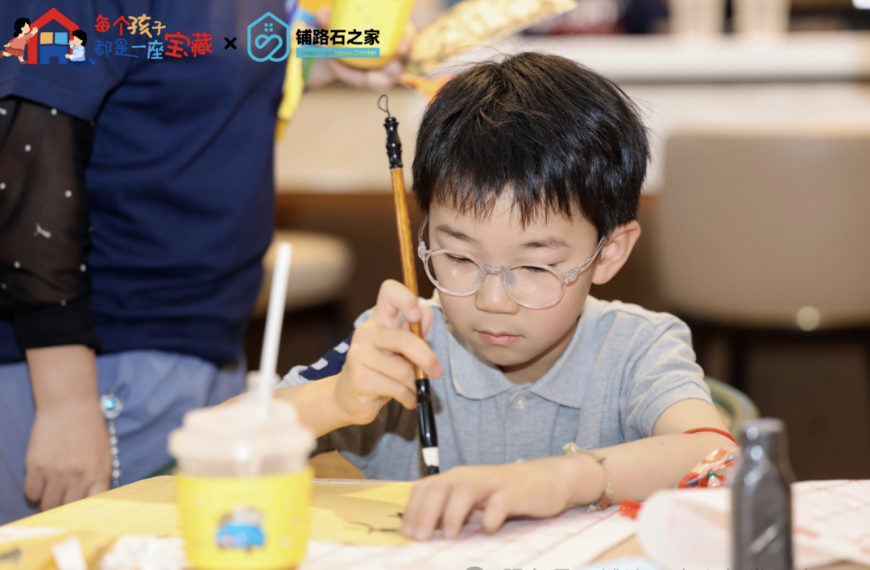
Guided by a designer and accompanied by an interactive Q&A session, the children learned about the company’s culture and operations. Then came the stamp-collecting adventure. They wandered from booth to booth — dipping their hands into tie-dye, smelling freshly crafted sachets, and picking up brushes to admire their own calligraphy amid the gentle scent of tea.
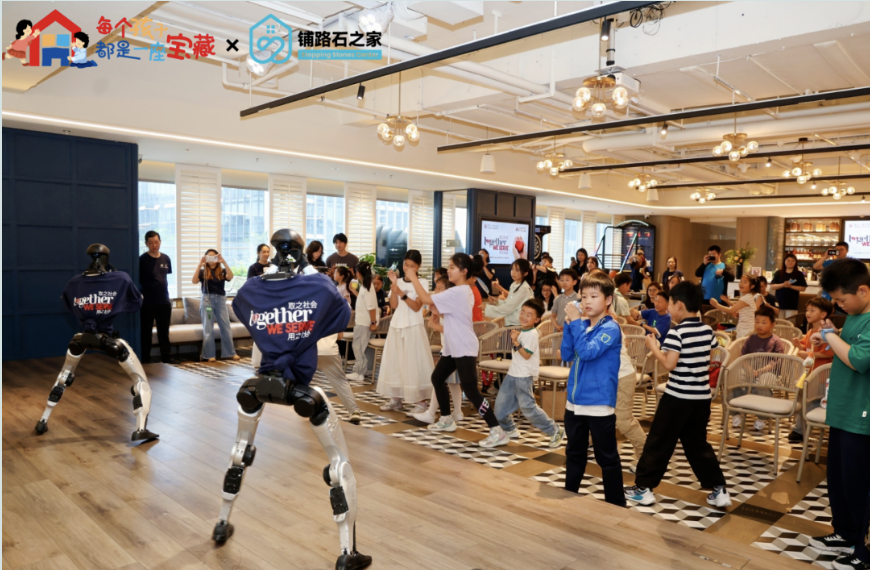
The highlight for many was the robot dance performance. As the music played, the little robot danced cheerfully across the stage. The moment the show ended, the children rushed over, eagerly raising their hands for photos with their silver new friend.
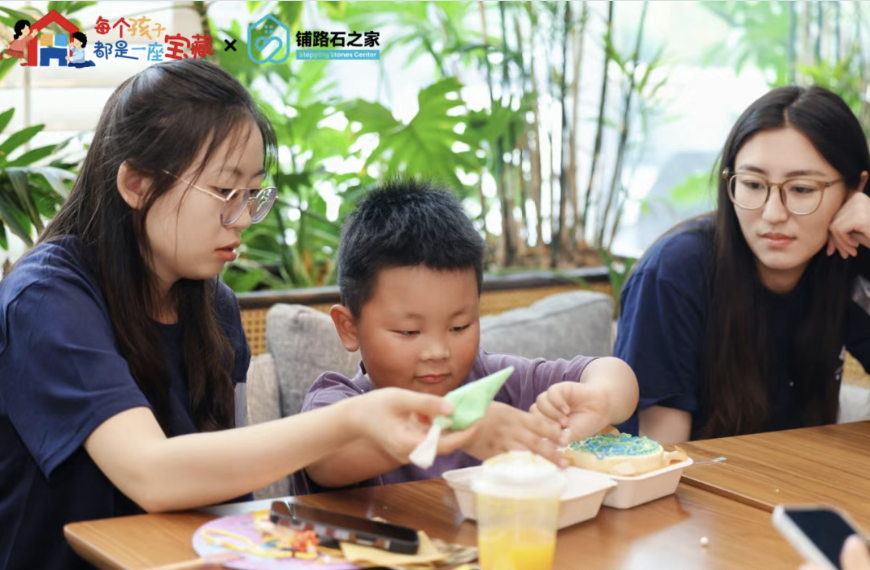
After lunch, it was time to decorate cupcakes. Gathered around the table, they carefully squeezed cream onto their cakes. Some ended up with frosting on their lips, but their eyes sparkled with pride and excitement over their creations.
The wonderful day ended with a donation ceremony, volunteer certificates, group photos, and beautifully prepared gifts. Everyone left carrying bags full of surprises and hearts full of joyful memories.
So, This Is How They Want to Learn
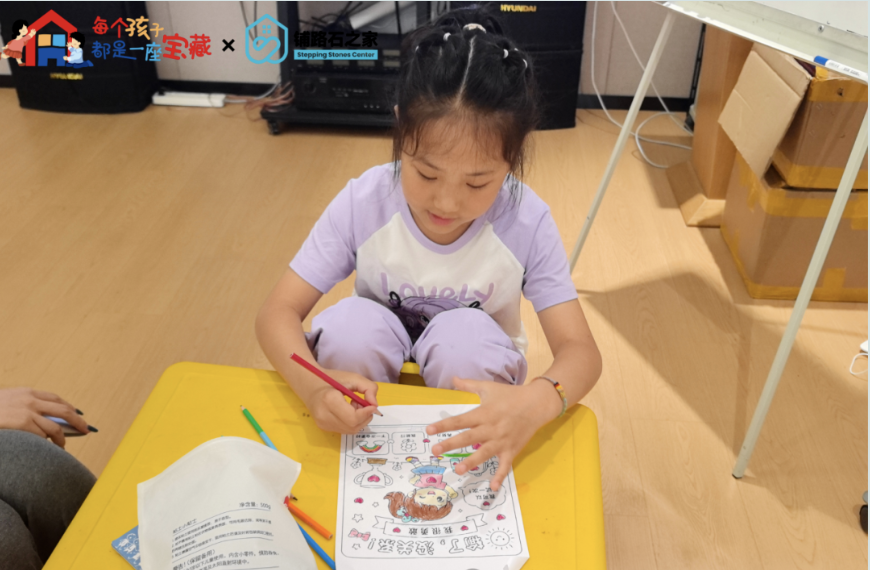
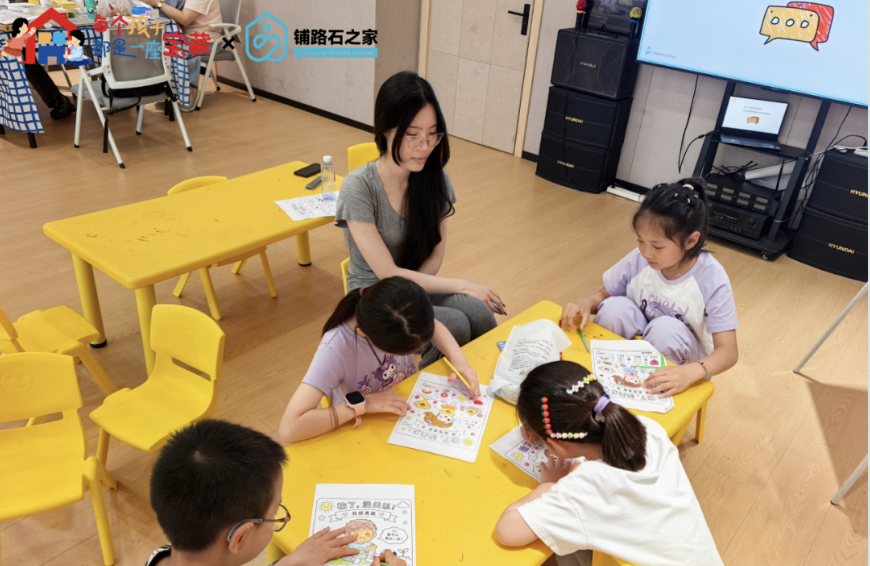
The setup for this class was especially interesting: children took turns becoming the “teacher” while the students sitting below were allowed to make classroom requests.
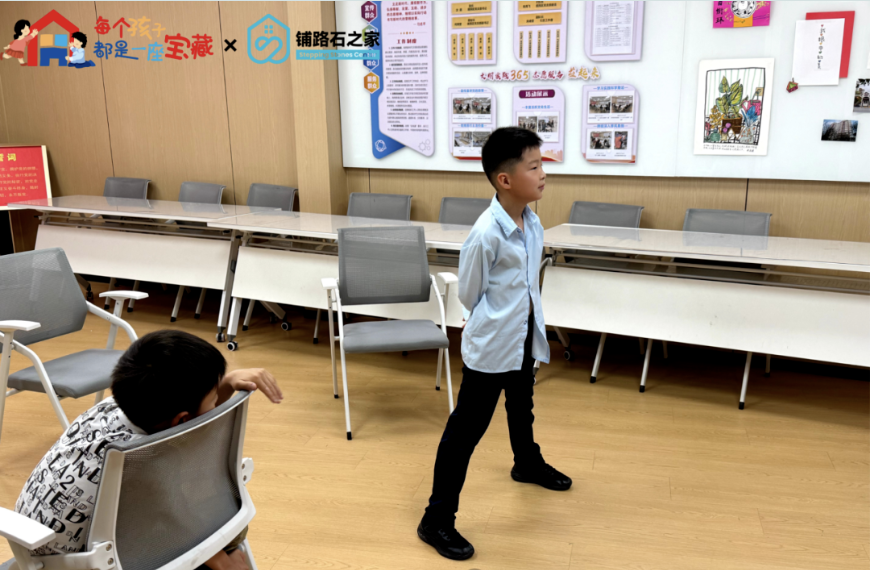
The rules they created for their “little teachers” were surprisingly clear:
“No keeping us after class.”
“No criticizing students.”
“No punishments — absolutely no punishments.”
These responses came almost instantly, like reflections in a mirror revealing their deepest wishes. What they seemed to want most from a learning environment was simple: kindness, patience, and understanding.
But when the roles truly reversed, things quickly became amusing. One child, now acting as the teacher, simply turned on the TV for the class.
Watching this “hands-off” teaching style unfold, the real teacher raised a hand from the audience and asked: “Teacher, can I tell you your lesson is boring? Can I choose not to attend?” The little teacher froze.
Suddenly, it wasn’t just a game anymore. Through this playful role reversal, the children were invited to step into someone else’s shoes and think: “When you’re not paying attention in class, what might the person standing at the front of the room be feeling?”
It’s Okay to Lose
The emotional shift came the moment the game ended.
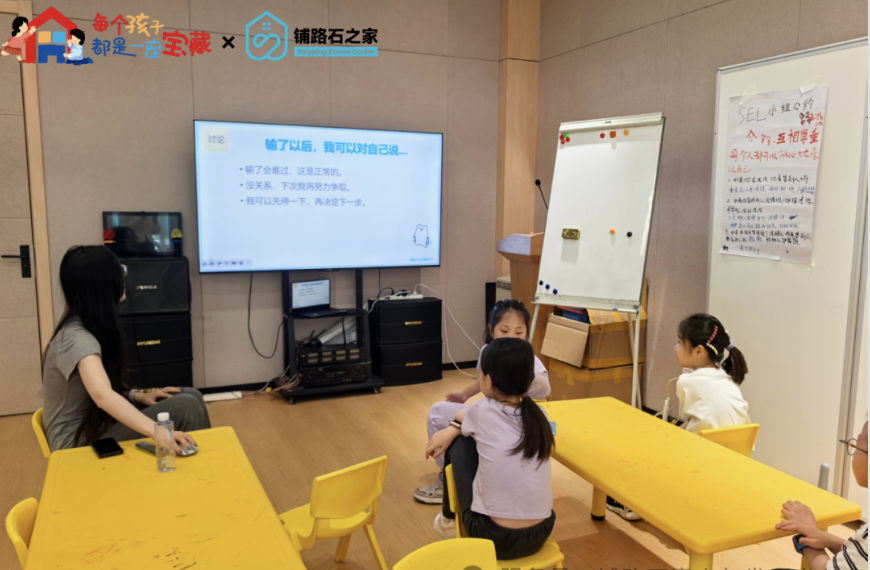
Class began with an energetic round of musical chairs. As the music played, everyone circled around lightly, eyes fixed on the chairs in the middle. The instant the music stopped, they rushed forward, each hoping to claim a seat. But there was always one fewer chair than there were children.
Round after round, as more students were eliminated, the atmosphere slowly changed. Some walked away disappointed. One child, after failing to grab a chair, quietly stood to the side and began to cry. The tears did not go unnoticed. The music stopped completely, and the teacher gently used that very real feeling of disappointment to introduce the lesson’s true message: “It’s okay to lose. Really.”
A Child’s Sense of Order
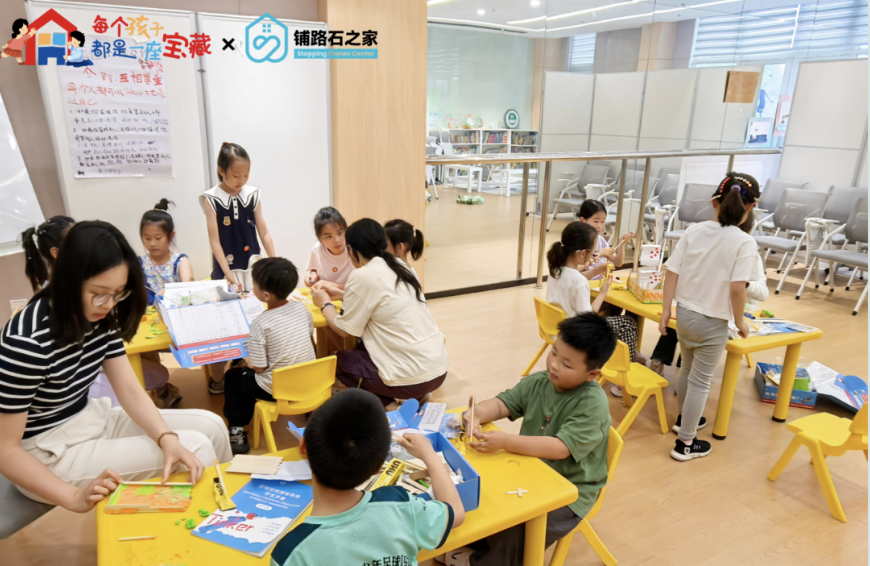
During science, engineering, and literacy class, a bit of chaos broke out as children moved around collecting materials. “If you’re missing materials, ask your group leader or class monitor.” the teacher called out above the noise.
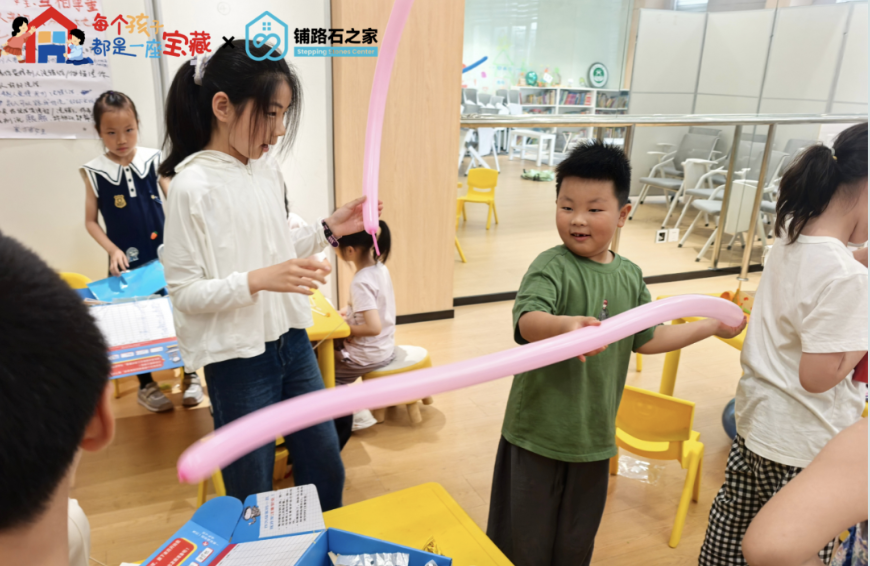
During science, engineering, and literacy class, a bit of chaos broke out as children moved around collecting materials. “If you’re missing materials, ask your group leader or class monitor.” the teacher called out above the noise.
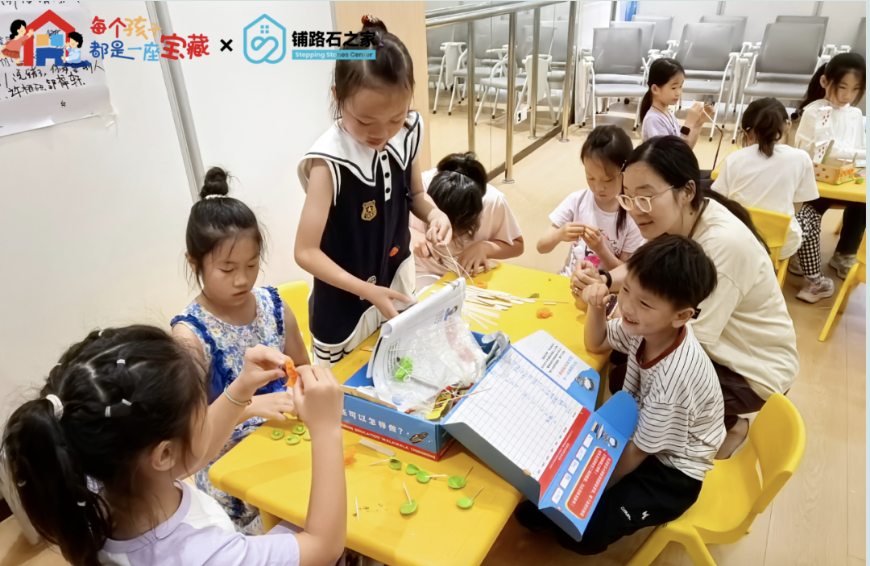
At the next table sat a boy with big eyes and a soft, thoughtful way of speaking. Looking down at the materials in front of him, he calmly said: “If you’re missing something, just go get it. However, taking more than you need is pointless.”
Simple words, clear logic — and an unexpectedly adorable sense of practicality.
But that wasn’t all. Earlier in class, another child had become lost and couldn’t find his classroom. This same big-eyed boy immediately stepped in, gently guiding his friend toward the door and pointing down the hallway: “Your classroom is over there, not here. Class already started—go, hurry!”
A quiet moment, but one filled with the responsibility of an older brother.
A Review Beginning with a Chili Pepper
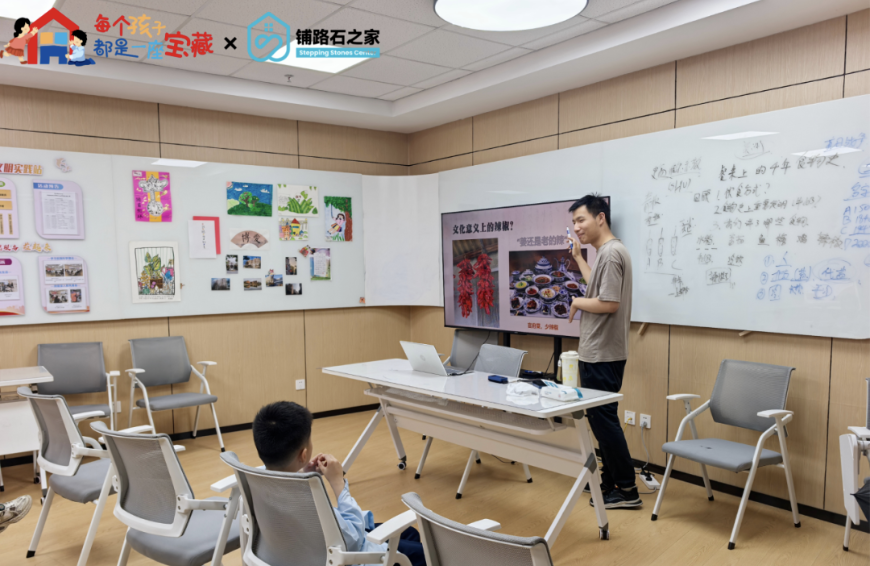
In this week’s food education class, the star on the screen was a bright red chili pepper. Rather than focusing on its spiciness, the teacher spoke about its cultural meaning and the role it has played throughout human history.
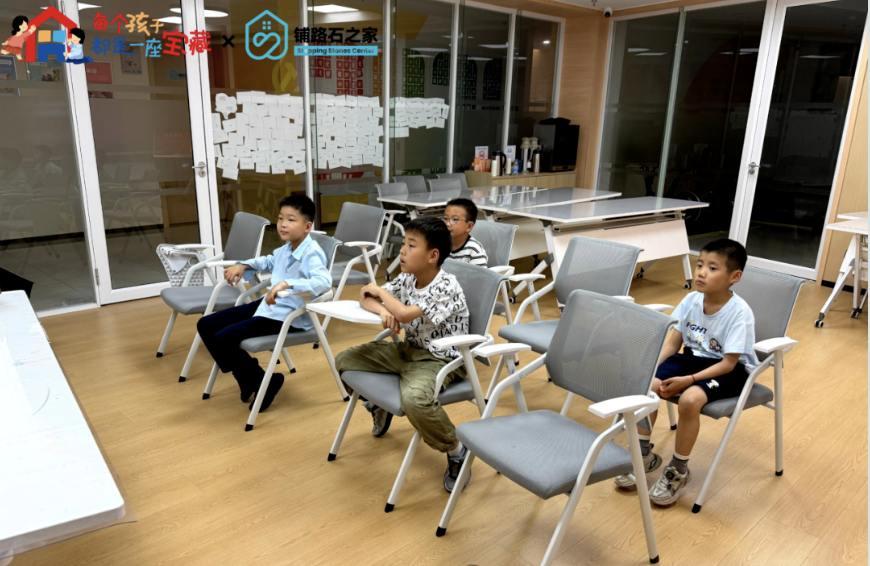
As the story of the chili pepper came to an end, so did this semester’s journey through food education.
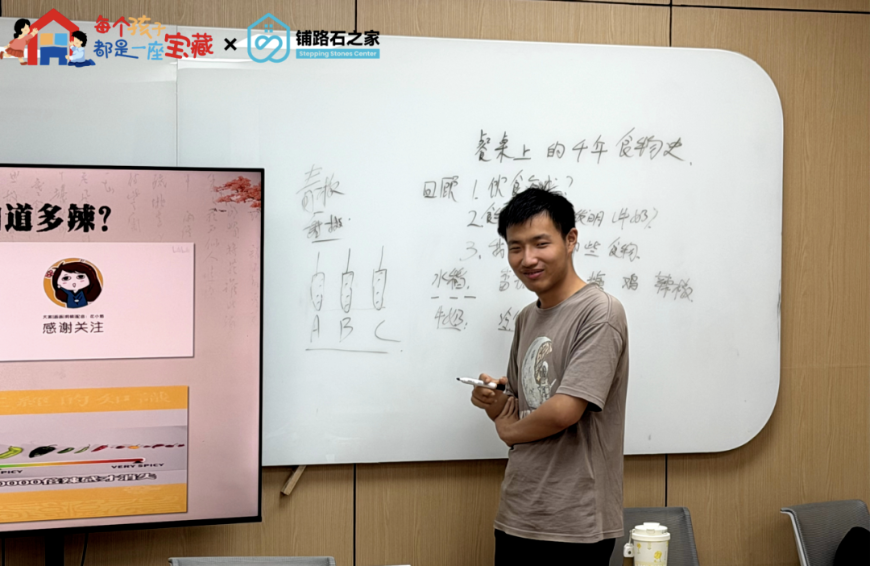
The teacher turned around and began leading the children through a review of their long “food adventure”. From rice that transformed the way humans eat, to tomatoes that traveled across oceans; from fish in rivers and seas, to the process of extracting sugar; from chickens on the dinner table to today’s chili pepper — Ingredients that once seemed ordinary had, over the past few months, become vivid stories. Piece by piece, they came together to form a miniature history of human civilization in the children’s minds.
The Desire to Be Seen
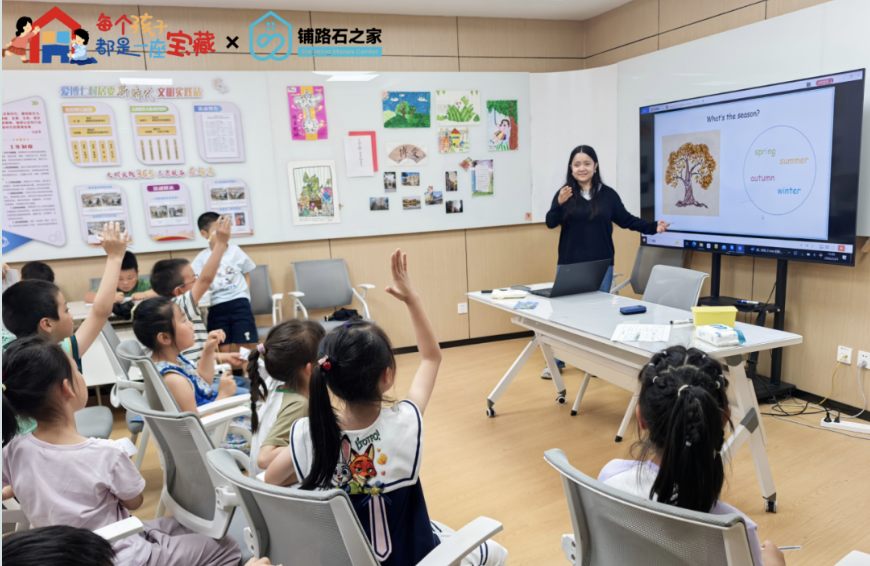
In fun language class, the children were learning vocabulary related to clothing and seasons.
With a team scoring system in place, little hands shot into the air like a forest of saplings, everyone eager to earn points for their group. Amid all the excitement sat one small boy who had not been called on. His head lowered, he quietly murmured to himself: “I want points too… I want points too…”
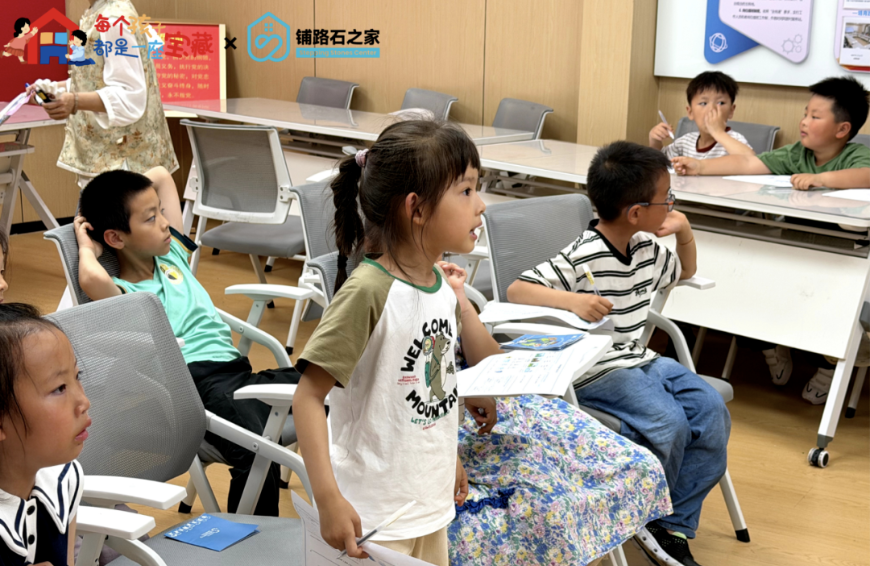
Watching the scores on the board, he finally couldn’t hold back: “Ah… the teacher is biased. She only calls on their group.” The teacher heard the disappointment in his voice. She paused, looked at him, and replied gently but firmly: “If you want points, you need to raise your hand first.”
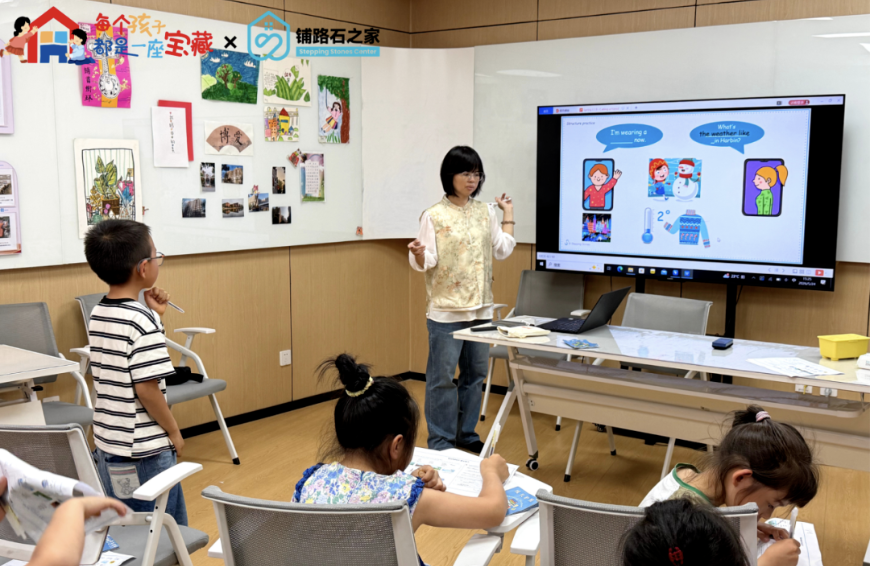
To be seen and recognized, sometimes the first step is having the courage to raise your hand.
That may have been one of the most important lessons he learned that day — far beyond vocabulary words.
From tears over losing a game, to joyful smiles in front of a dancing robot; from a small voice whispering, “I want points too!” to little hands guiding a friend toward the right classroom. Another week at Stepping Stones Center has come to an end. We’ve carefully recorded these moments and look forward to seeing you again next week.