
“Teacher, just how big is Shanghai?”
That was the question the children asked in their “Exploring Shanghai” class.
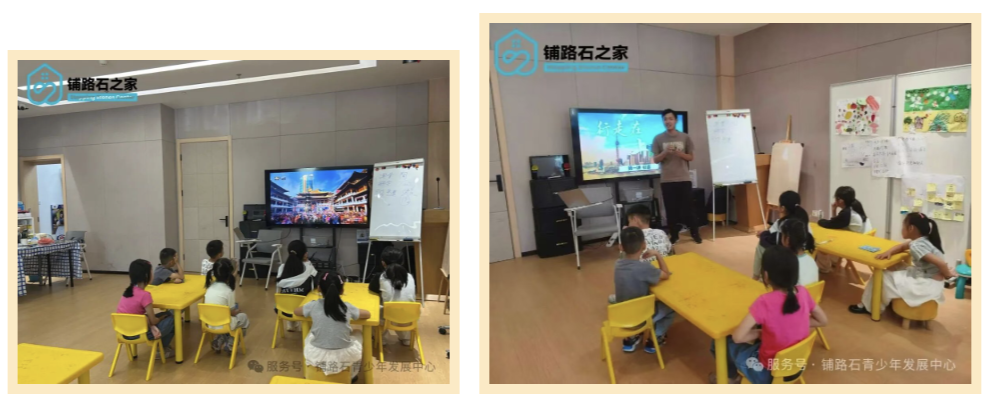
As the map spread out before them, the familiar Huacao Town became a starting point for exploring the city. When images of Shanghai’s landmarks came up on the screen, the children couldn’t help asking again just how big the city really was.
The same curiosity continued throughout the week. In photography class, the children eagerly picked up their tablets, ready to capture the people and things around them. In Go class, they began learning the basics of the game, from the board and stones to the proper way to handle them.
Some questions have clear answers. Some knowledge takes time to sink in. And some learning happens through a gesture that may seem small or insignificant.
From exploring their city to learning new skills and working together, the children had plenty to discover this week.
Starting in Huacao: How Big Is Shanghai
“Where is Huacao Town on the map of Minhang District?”
As soon as the teacher asked, two or three children eagerly raised their hands.
The class began with a map. The children found Huacao Town, then learned about Shanghai’s landmarks through the teacher’s explanation and the images on the screen.
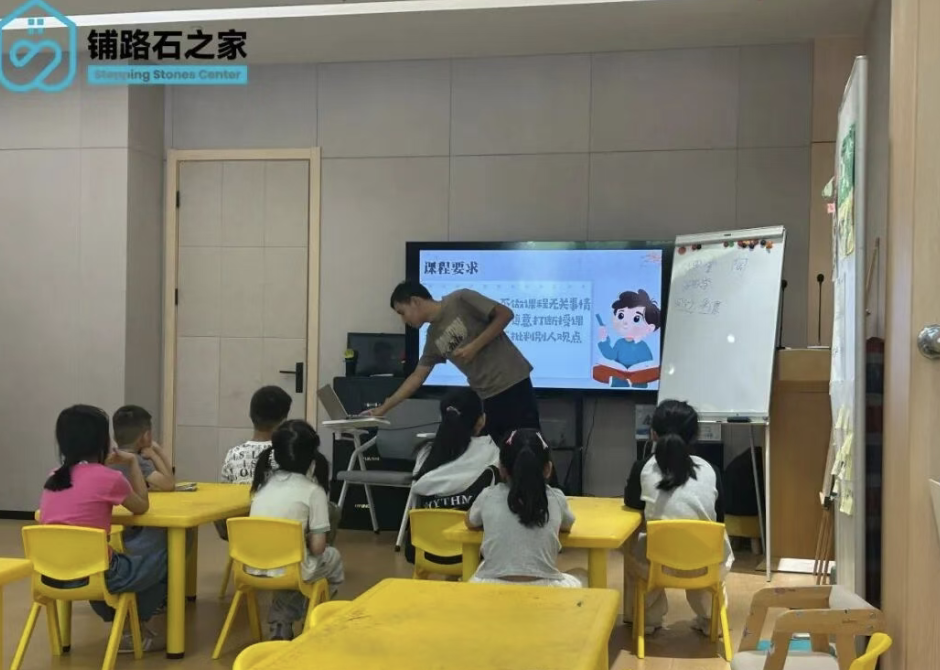
“Teacher, just how big is Shanghai?”
The question came up again and again. When the children learned that Shanghai accounts for about 0.06% of China’s total land area, they looked genuinely astonished.
At first, the figure on the map was just an abstract percentage. But once linked to a city the children knew, it gave them a new point of reference for imagining Shanghai.
Before You Take a Photo, Ask: “May I?”
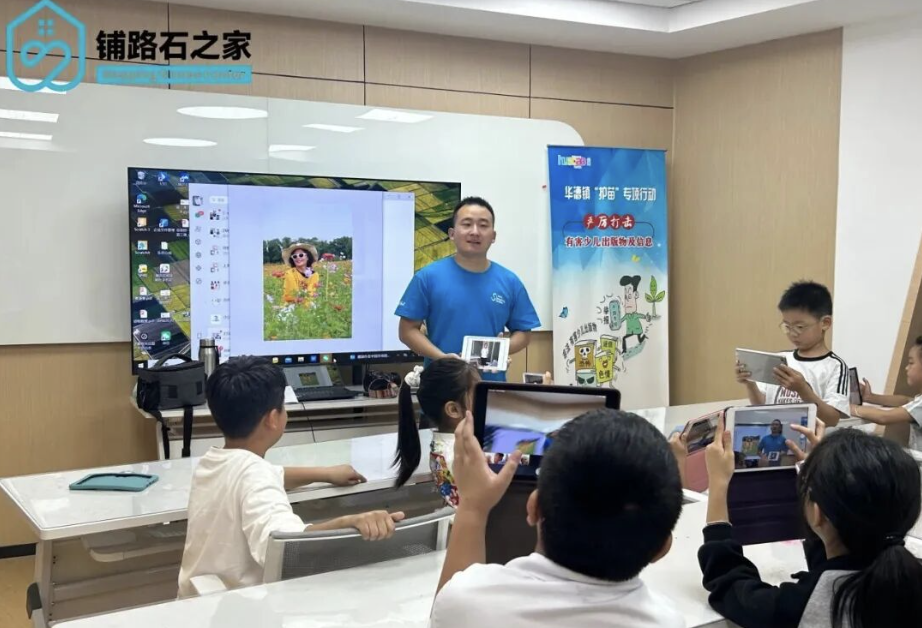
In photography class, the children picked up their tablets, eager to capture something.
The teacher reminded them that an important part of photography is getting permission from the person being photographed.
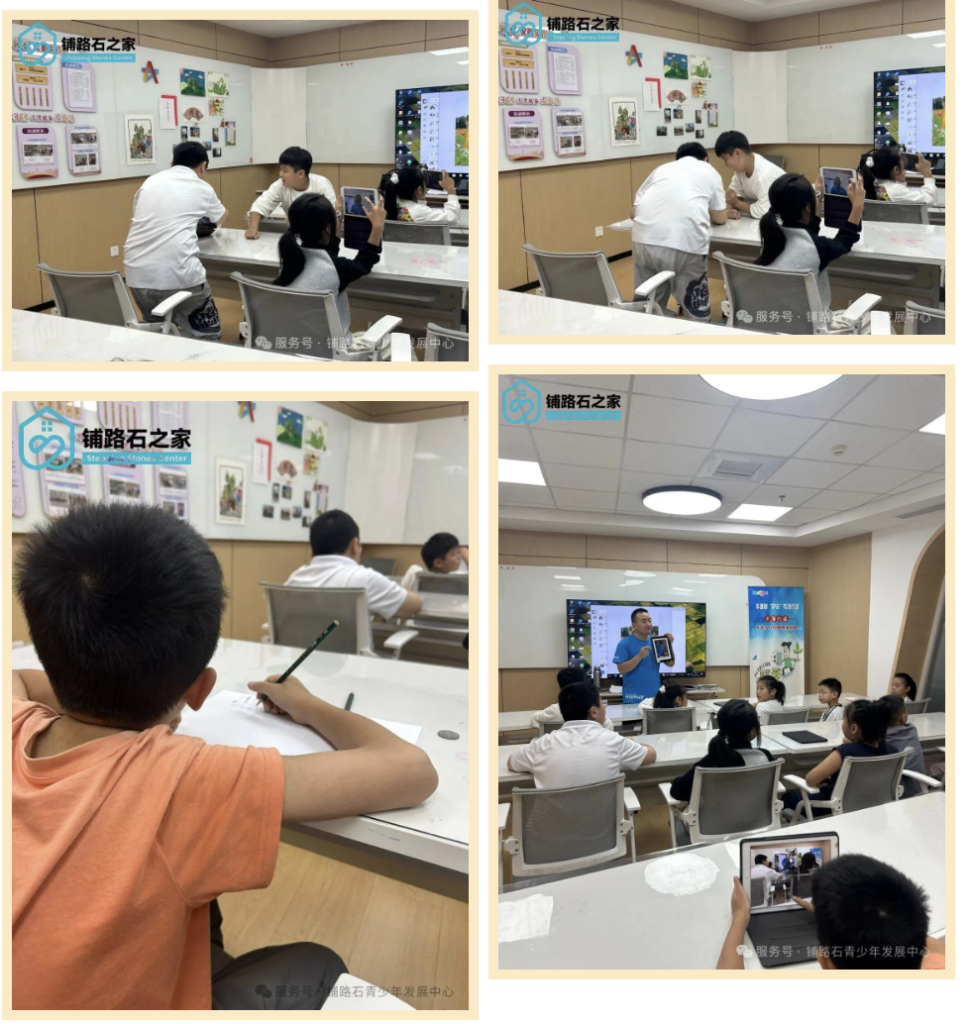
As soon as the teacher finished speaking, the children hurried over to the people they wanted to photograph. Some approached the teacher, while others went to their classmates, asking earnestly:
“May I take a photo of you?”
A photograph can preserve a moment. But asking before the shutter clicks also teaches children to respect other people’s wishes when taking photographs.
Simple activity gave the children a chance to practice asking permission and respecting others’ choices.
Starting with the Go Board, Learning the Rules
A board. A handful of stones.
In Go class, the children began with the basics: getting to know the board, learning the etiquette of handling the stones, and gradually becoming familiar with the basic rules of Go.
Where to place a stone, how to hold it, and the rules of Go all take time to become familiar. For children who are new to the game, there is still plenty to explore.
Making the Classroom Agreement Their Own
In some classes, the children also worked together to write a classroom agreement and sign their names.
Once the children had signed it, the sheet of rules became a record of their participation in setting expectations for their classroom.
Signing was only the beginning. Each class from then on would offer another opportunity to put those agreements into practice.
Curiosity Continues After Class
This week, the children located Huacao Town on a map, kept asking, “Just how big is Shanghai?”, paused to ask, “May I take a photo of you?” before taking pictures, and began exploring a Go board.
Each activity offered a different opportunity to ask questions, try something new, and learn together.
We look forward to seeing what the children discover next week!