
In the third week of the spring semester, the classroom felt a little different. Voices of debate, laughter, and playful argument rose and fell throughout the day. The children thought carefully, spoke with confidence, collaborated on hands-on projects, and eagerly raised their hands in English class. Together, these moments created the most heartwarming soundtrack of the season.
The Value of a Stamp
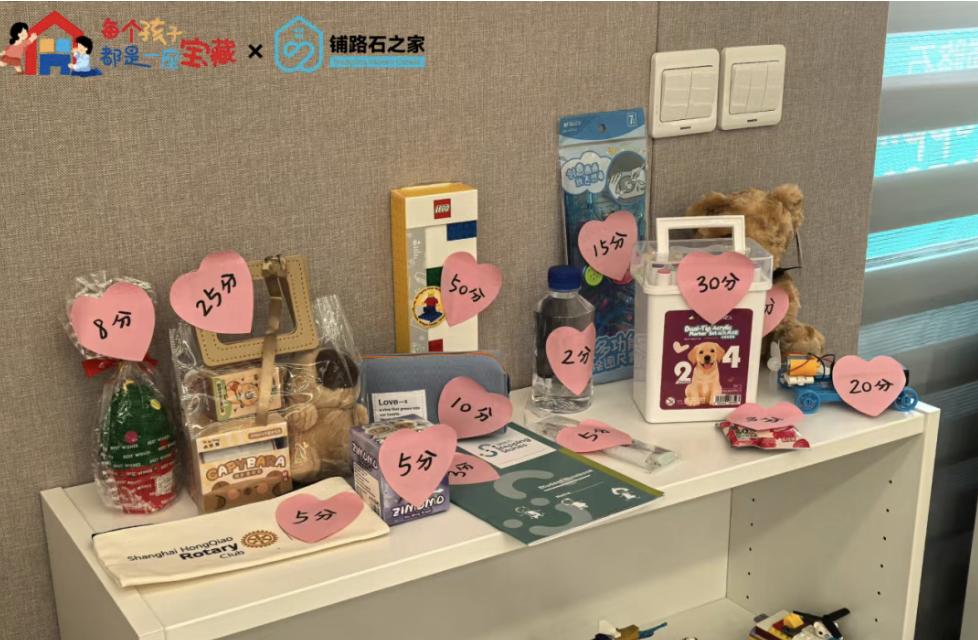
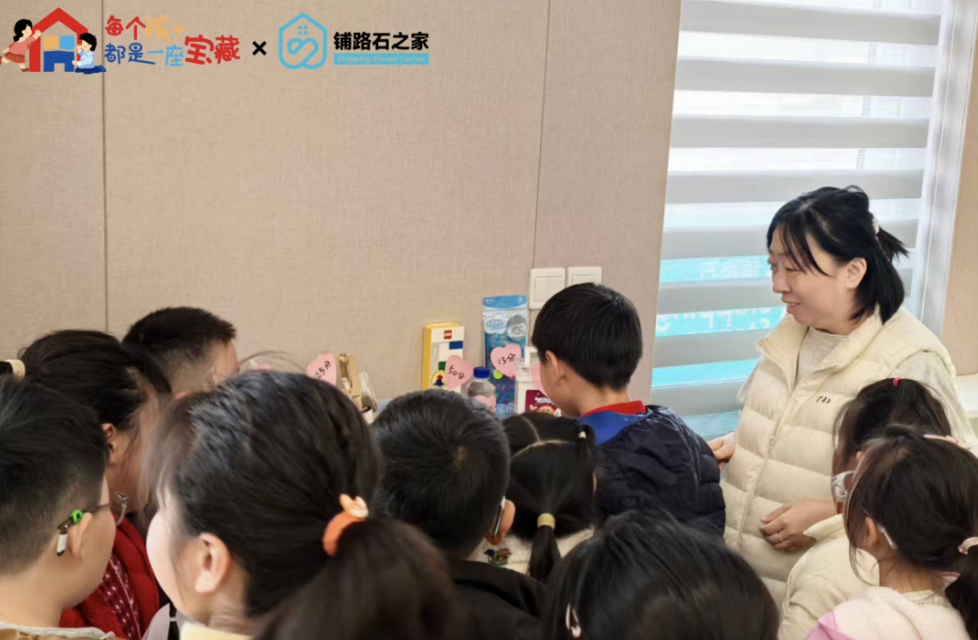
Last week, we introduced a prize redemption corner at the Stepping Stones Center. This week, some children have already exchanged their stamps for items they’d been looking forward to.
One child paced back and forth in front of the prize redemption display, glancing from side to side. He picked up one item, set it down, then reached for another, quietly murmuring, “I have four stamps today… what can I actually get?”
He stood there for quite a while, as if facing a very important decision. In the end, he chose a bag of candy. His eyes curved into crescent moons as he smiled. Holding the candy bag carefully in his hand, he ran off to share his joy with friends.
Here’s how our prize redemption works: children who participate actively and sincerely in each class or activity earn a stamp. Once they collect a certain number, they can exchange them for a small gift — stationery, a toy, or perhaps a sweet treat. There are no barriers; every effort is seen and valued. We want each child to know that their engagement matters — and that it is worth celebrating.
A Debate Without Winners
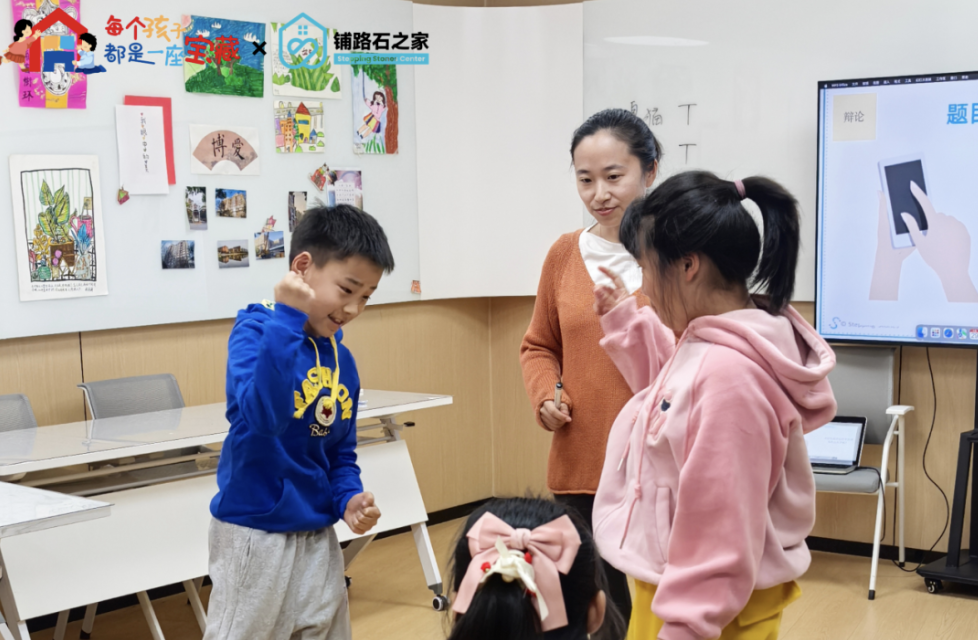
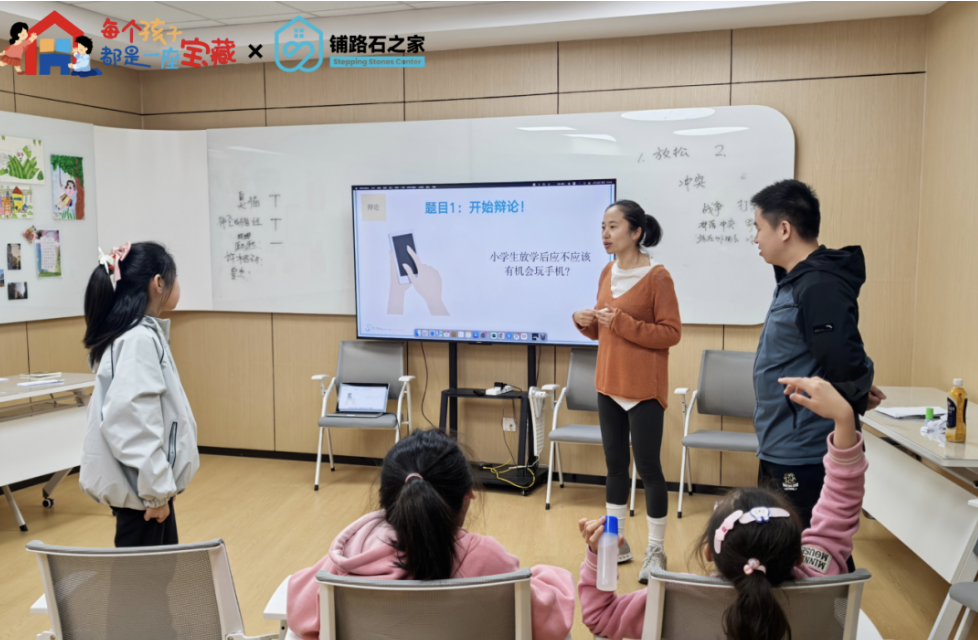
“Should we use phones after school?” In this week’s upper-grade class, students and volunteer teachers engaged in a lively and thoughtful debate.
“Why does using a phone have to mean playing games?” one student asked confidently. Their point was clear: phones can also be used to look up information, listen to music, and stay connected with family. They shouldn’t be dismissed entirely.
A volunteer teacher responded with a smile: “It’s hard for anyone to resist the pull of games. And there are other ways to relax – reading, exercising, spending time with friends. Aren’t those better than staring at a screen?”
The discussion continued, ideas bouncing back and forth. The children shared their perspective: after long days of studying, they wanted time to relax – even if that meant scrolling on a phone. The adults’ concerns were just as real: they hoped the children would grow up healthy and not become overly dependent on screens.
There was no winner in this debate – but there was understanding. The children began to see the adults’ concerns, and the volunteers truly heard the children’s voices.
When Do You Feel Happy?
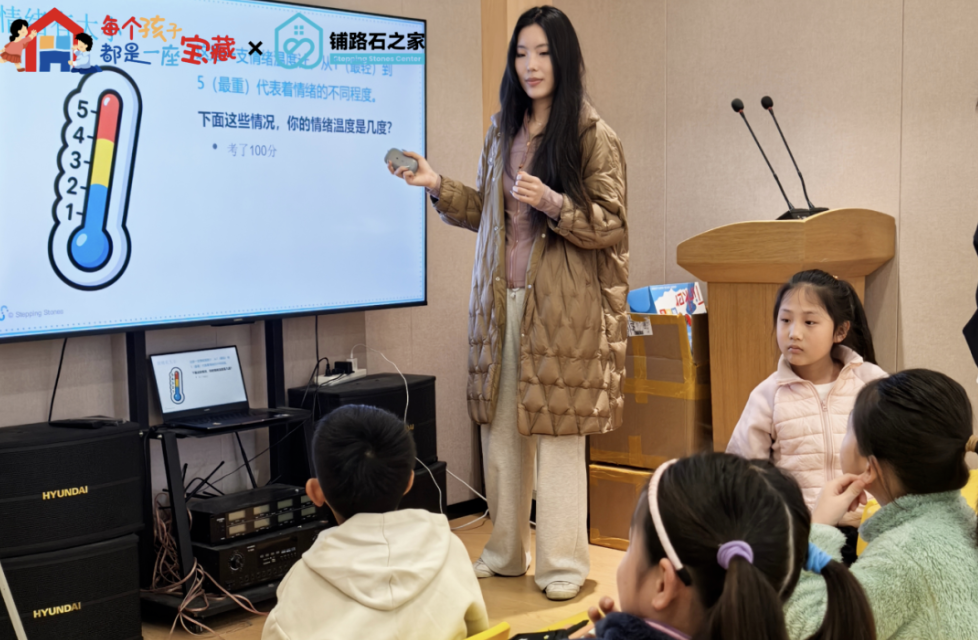
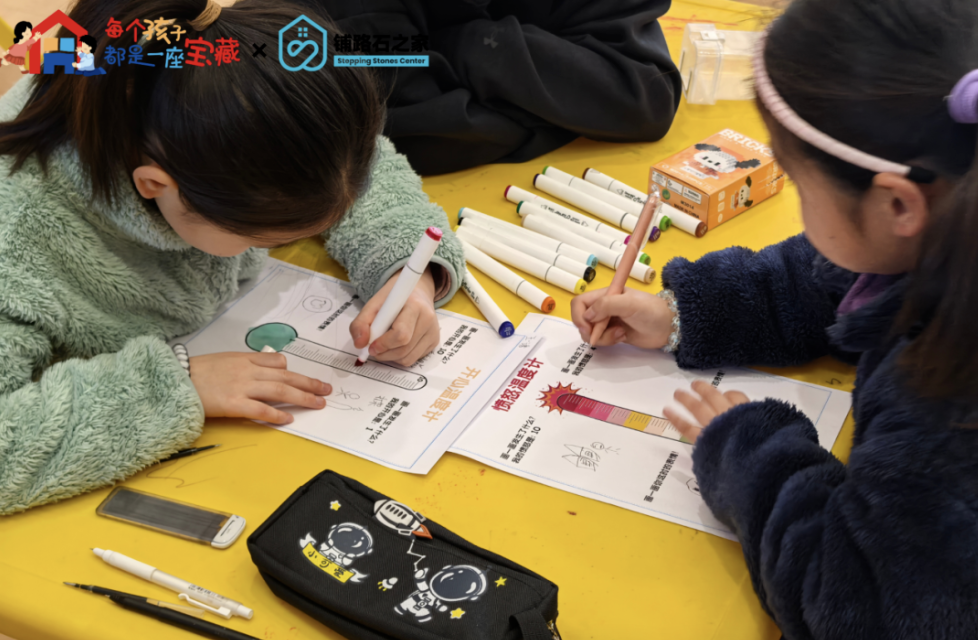
In the lower-grade class, students created their own “Happy–Angry Thermometers”. Each child drew a thermometer, marking where their emotions might rise or fall.
When asked, “How does it feel to score 100 on a test?” the room fell quiet for a moment. Then, one child offered an unexpected response: “Getting 100 doesn’t mean you’re the first in the class. Being the first in class doesn’t mean you’re first in the school. And being first in school doesn’t mean you’re first in the whole province. That’s just how it is.” He spoke calmly, as if slowly unwrapping a thought he had been holding onto for a long time. The room paused, then gentle laughter followed.
There was no teasing, only a quiet sense of shared understanding. In that moment, the children expressed their honest and nuanced feelings about achievement.
The Tomato Debate
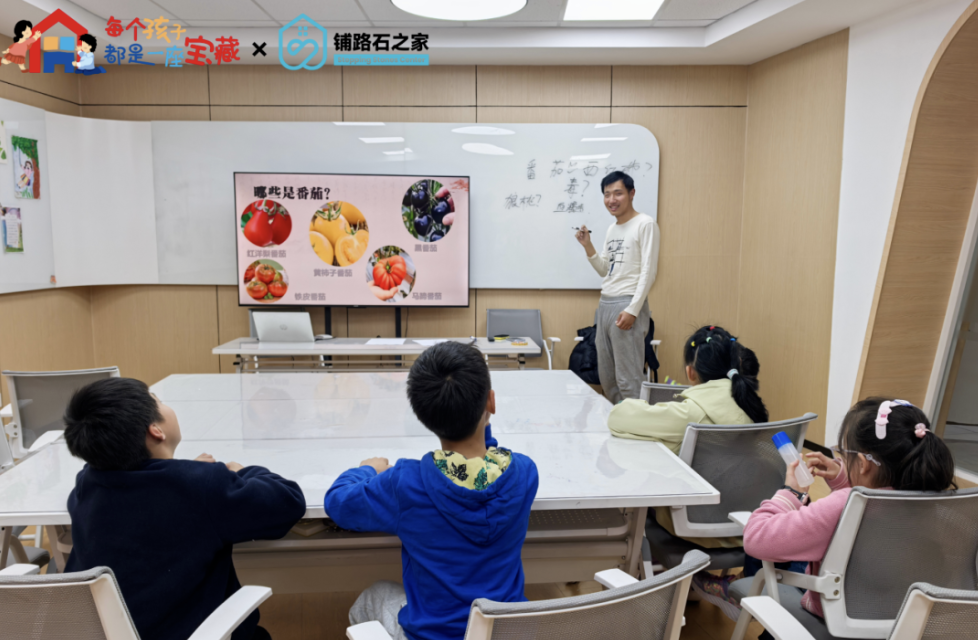
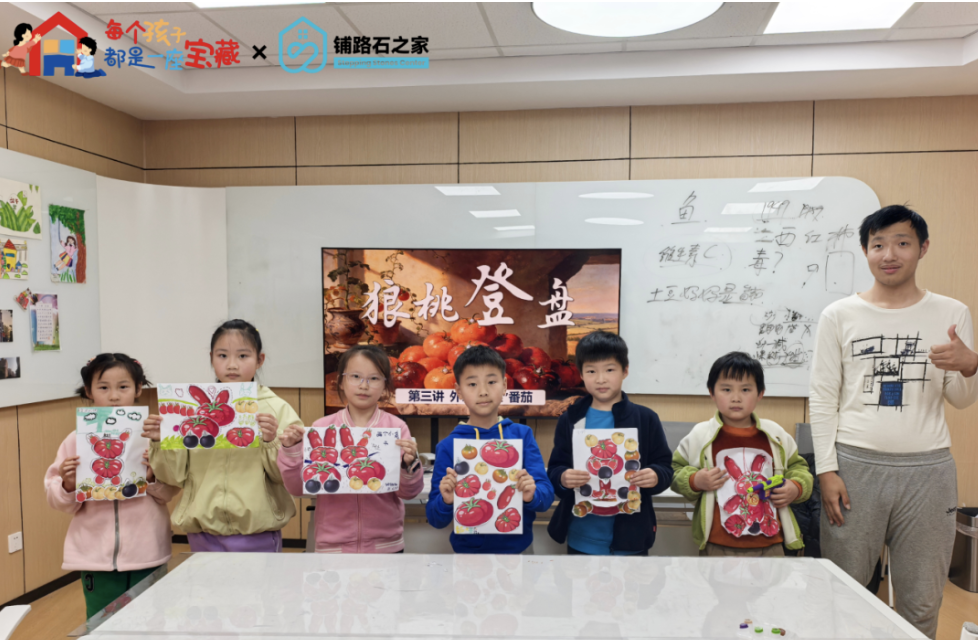
This week’s Food Education class turned into a spirited debate: Is a tomato a fruit or a vegetable?
Two teams took turns presenting their arguments, neither side willing to back down.
“A cherry tomato grows into a larger tomato without changing its nature, so it must be a fruit!” one side declared confidently.
The other side quickly responded: “Tomatoes are used in cooking, so they’re vegetables! Have you ever seen anyone stir-fry an apple or a banana?”
“Other vegetables are bitter, but tomatoes are sweet and flavorful, which makes them fruit!”
“But tomatoes can be made into soup or scrambled with eggs. Those are dishes, so they must be vegetables!”
“Vegetables don’t come in so many varieties, but tomatoes do! Big ones, small ones, red ones, yellow ones. That’s like fruit!
Back and forth the arguments went, growing more animated by the minute. The volunteer teacher listened from the side, smiling. Perhaps this was the most flavourful lesson of all. Through discussion and disagreement, the children learned to observe, think critically, and express themselves – discovering that even the most ordinary things can be viewed from many different perspectives.
Collaboration Begins with Knowing Your Materials
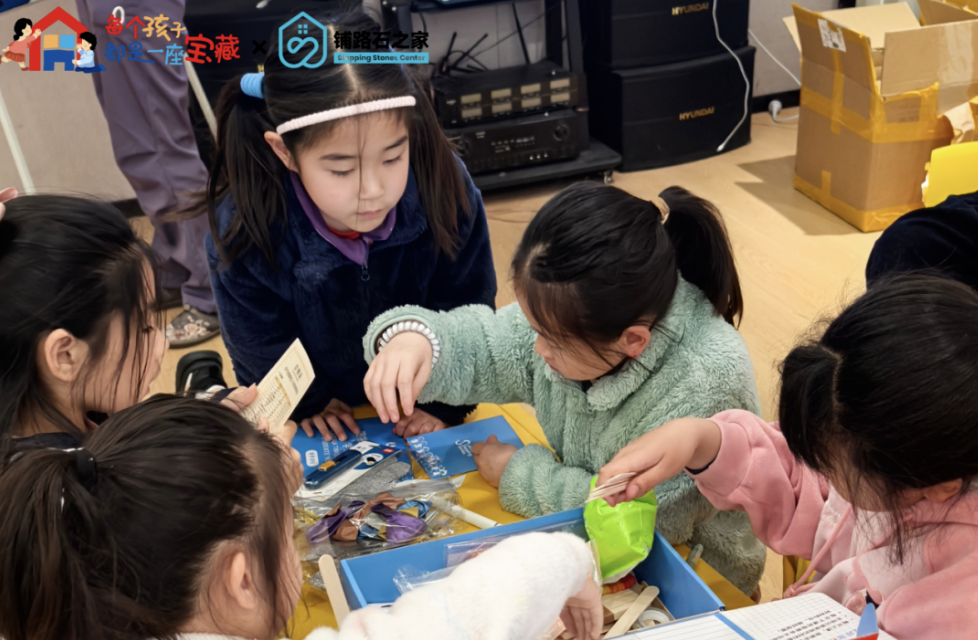
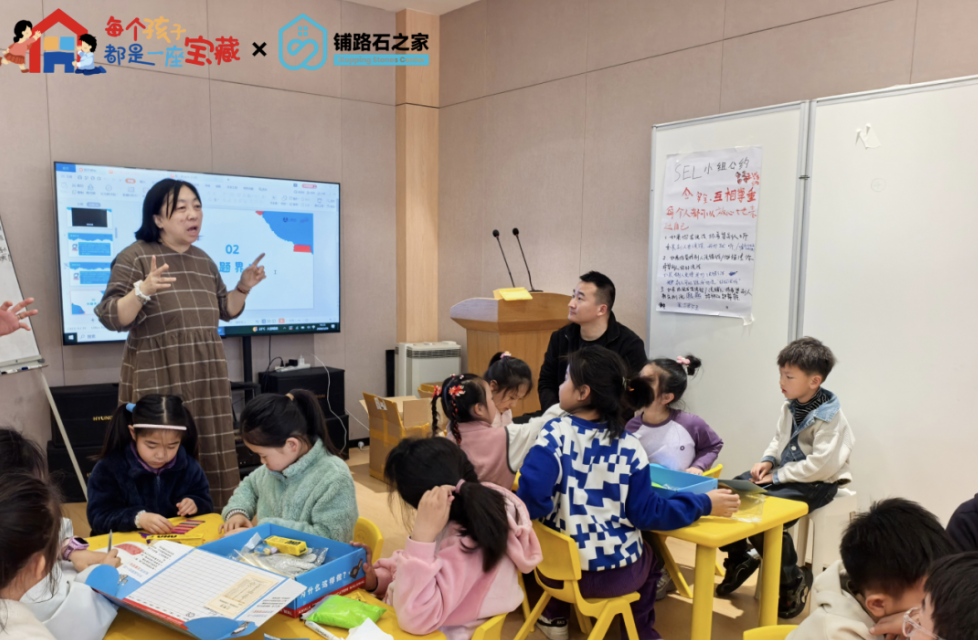
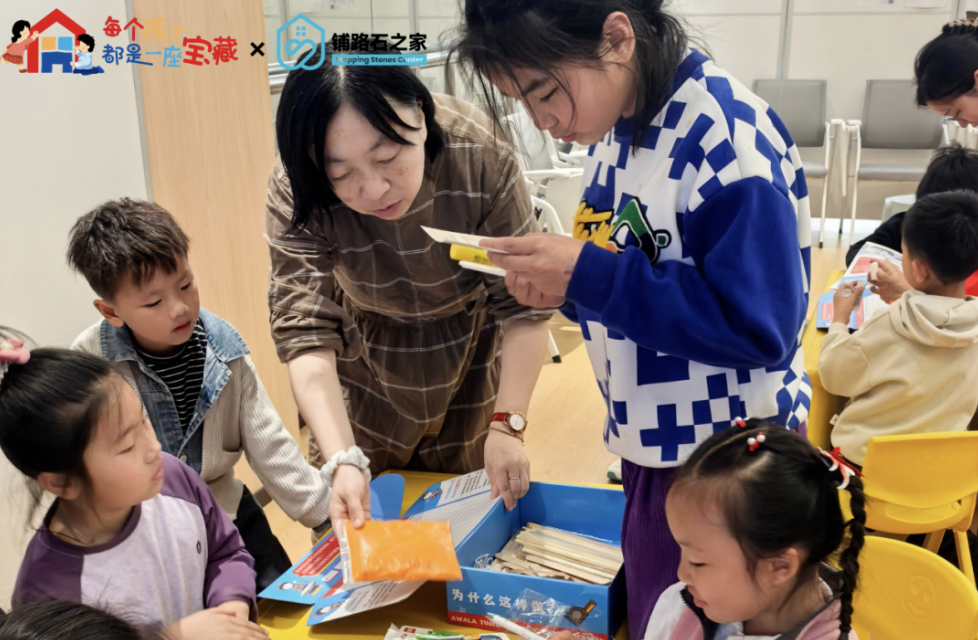
In the Science and Engineering Literacy class, students received their material kits for the first time, and excitement filled the room.
Each group gathered together, carefully unpacking and checking every item. Some students counted, others recorded, while others sorted and arranged the materials. Once everything was confirmed, they neatly labeled their boxes with their names.
Collaboration began with understanding what they had. Even before the hands-on work started, the children were already learning how to share responsibility and work as a team.
A Sweet English Lesson
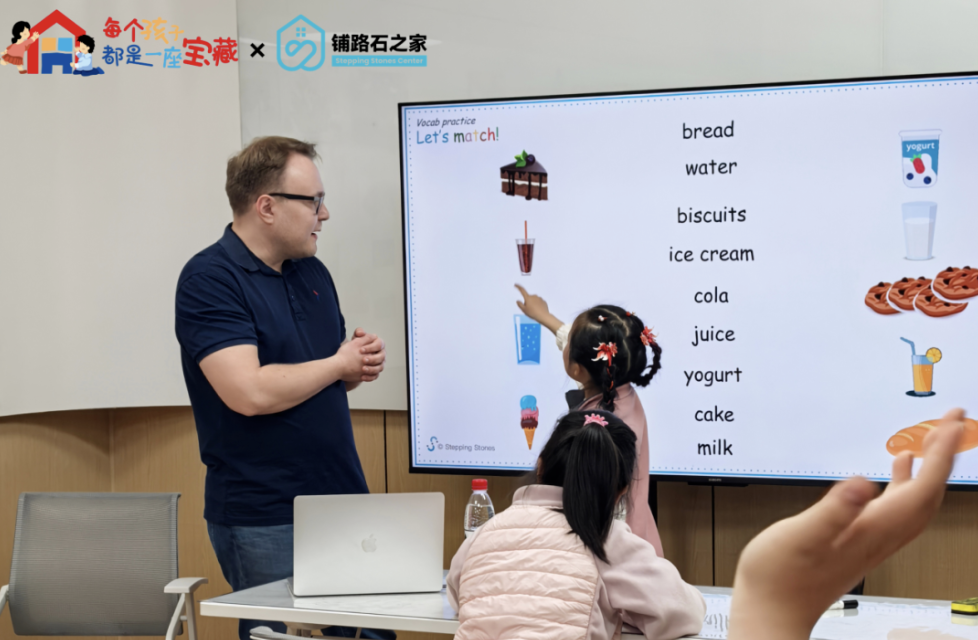
In English class, students learned vocabulary related to food: milk, cake, yogurt, and more.
The teacher divided the class into two teams for a quick-response game. Hands shot up eagerly, each child hoping to be called on. When a student answered correctly, cheers erupted from their team.
Throughout the lesson, laughter and language blended together, and the classroom seemed to carry a sweetness of its own.
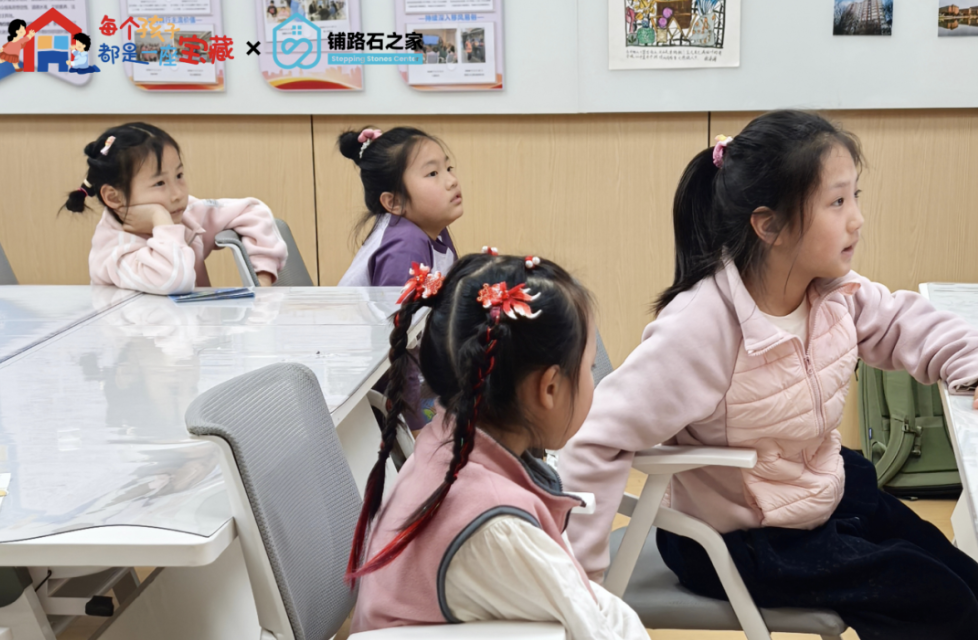
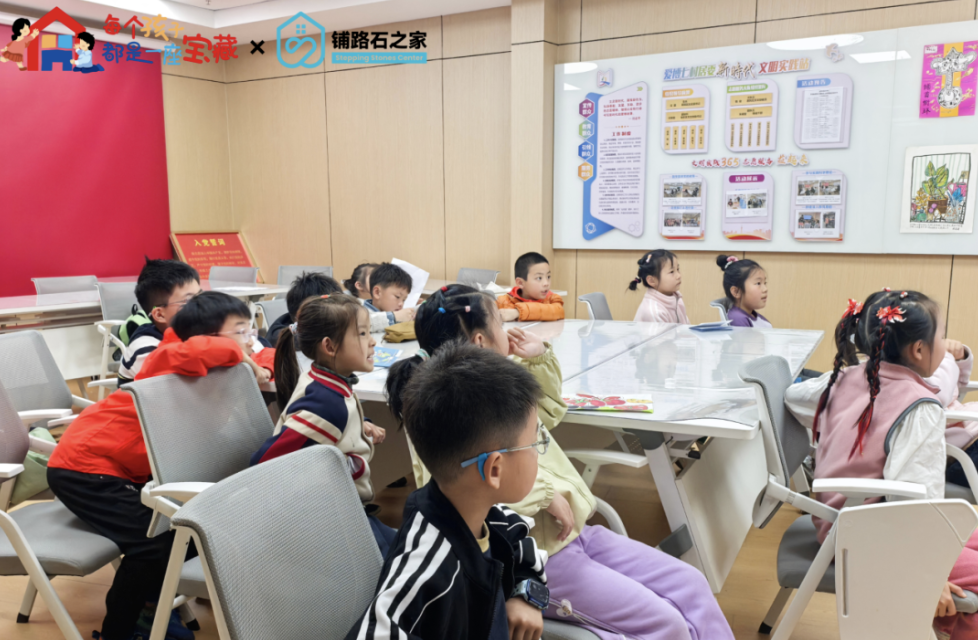
This week, the children explored different ways of understanding the world. Through debate, they began to see others’ perspectives. Through discussion, they learned to stand by their own ideas. One child shared a quiet reflection on achievement, while another carefully considered what four stamps could bring them.
Each small moment was a step in their journey of growth. The Stepping Stones Center simply stands nearby, gently holding space for these moments to unfold.
See you next week!