
As spring deepens, a gentle warmth fills each day. The sunlight in our classroom seems to linger a little longer, and even the breeze carries the sound of children’s laughter. In this fifth week, we’ve been right alongside the children, through lessons, hands-on activities, and playful conversations, witnessing both the visible and invisible growth woven into their everyday moments.
In this week’s Social-emotional Learning class, we explored a gentle yet meaningful idea: the “seen self” and the “unseen self”.
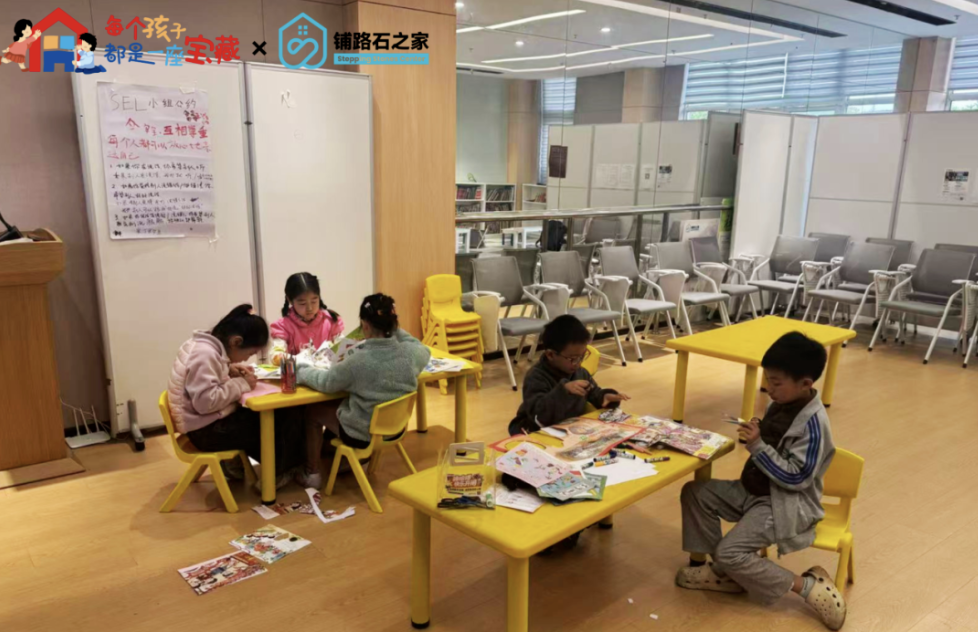
The teacher began with a smile: “What others can see might be you standing tall, your neat braids, or your bright smile. But what about the parts of you that aren’t so easy to see?”
The room grew quiet. Then, one by one, small hands went up. One child sat up straight and said earnestly, “The part of me others can’t see is how hard I work at home.” Another added, “And when I feel sad after arguing with a friend – no one can see that either. Let me tell you what happened…”
In that moment, we were deeply moved. These children, whom we often think of as so young, already show a remarkable awareness of their inner world. We often say we want to teach children self-awareness and empathy, yet it is often they who, in their simplest words, remind us how complex and whole a person truly is.
What is visible is a child’s laughter and play. What is invisible is the quiet growth of sensitivity and emotional depth within them.
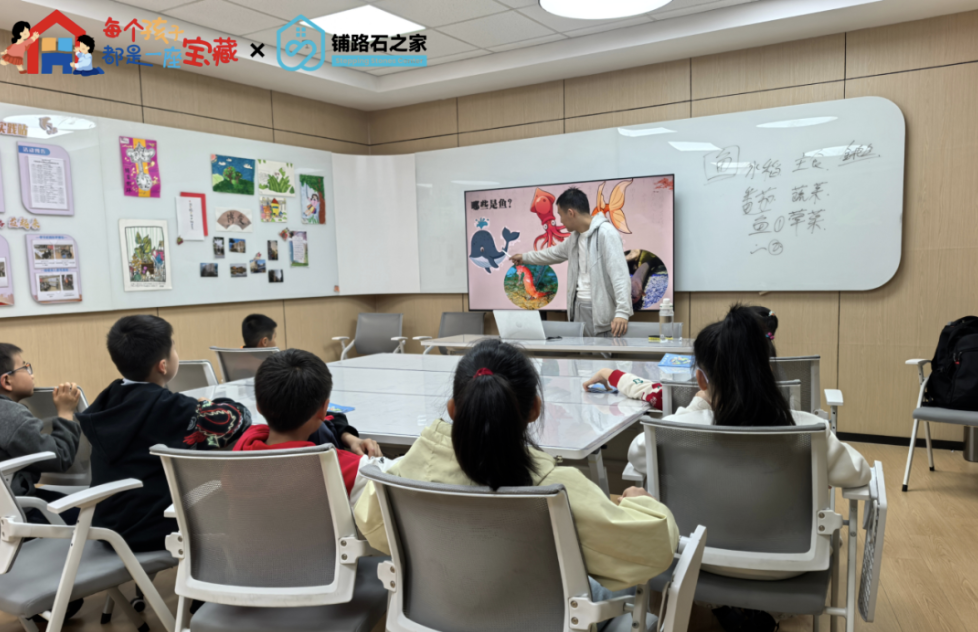
In this week’s food education class, we once again guided the children to connect everyday life with the deeper layers of history.
This time, we learned about fish. When we wondered whether people in ancient times could simply catch fish whenever they wanted, one child’s eyes lit up and joked, “No! Because there were security guards!”
The room burst into laughter. Once it settled, the teacher introduced an important idea: more than 4,000 years ago, our ancestors had already established early forms of fishing restrictions. Summer, when fish lay eggs and young fish grow, was a protected season. Practices like overfishing with fine nets or draining rivers were not allowed. Nature needed time to recover – reflecting the wisdom of taking only what is needed, at the right time.
The children listened closely. It became clear that what we now call “environmental protection” has deep roots in traditions practiced for thousands of years.
Later, when discussing the origins of large seafaring ships in ancient China, the children eagerly called out guesses: “The Qing Dynasty!” “The Ming Dynasty!”
The teacher smiled and gently corrected them: “We should have confidence in our own history. As early as the Han Dynasty, over 2,000 years ago, there were large multi-decked sailing ships called ‘tower ships’. Some were as tall as seven-story buildings, capable of traveling great distances. Historical records describe fleets stretching for miles – an incredible sight.”
The children’s eyes lit up with curiosity as questions followed one after another. These unseen stories from history quietly plant seeds of cultural confidence in young minds.
What is visible is the knowledge in books. What is invisible is the growing sense of wonder and inner confidence.
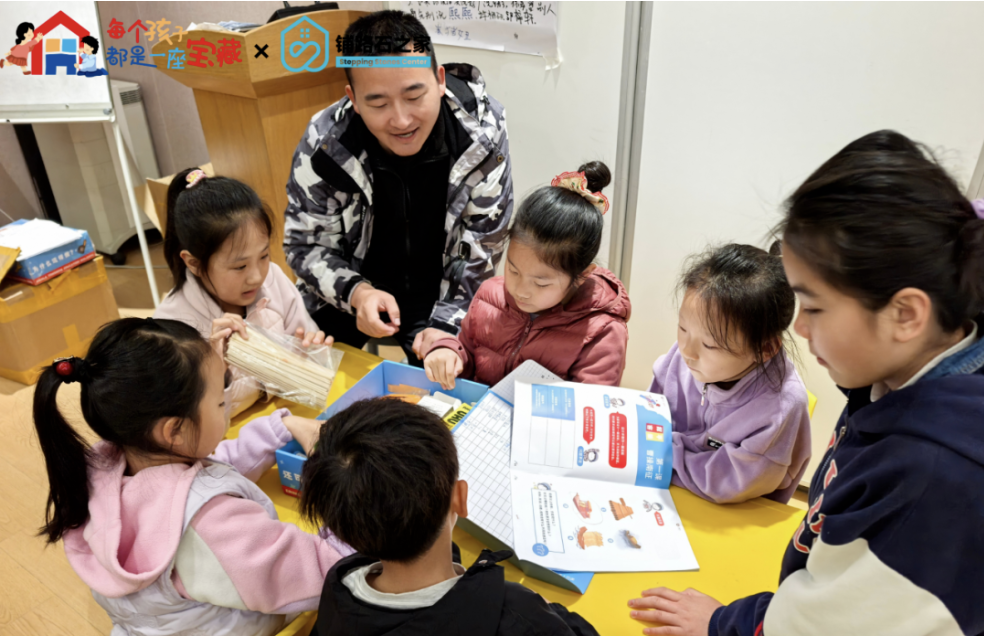
In handicraft class, amid sawdust and clay, we saw not only the small wooden boats taking shape, but also the patience and joy behind them.
At last, the long-awaited boat-building kits were opened. The tables were soon filled with wood pieces, balloons, and clay. The children could hardly wait to begin. One younger child struggled with the saw, and a volunteer knelt beside him, guiding his hand. As his patience began to fade, the volunteer gently suggested, “Let’s try ten more times, then we’ll take a break.”
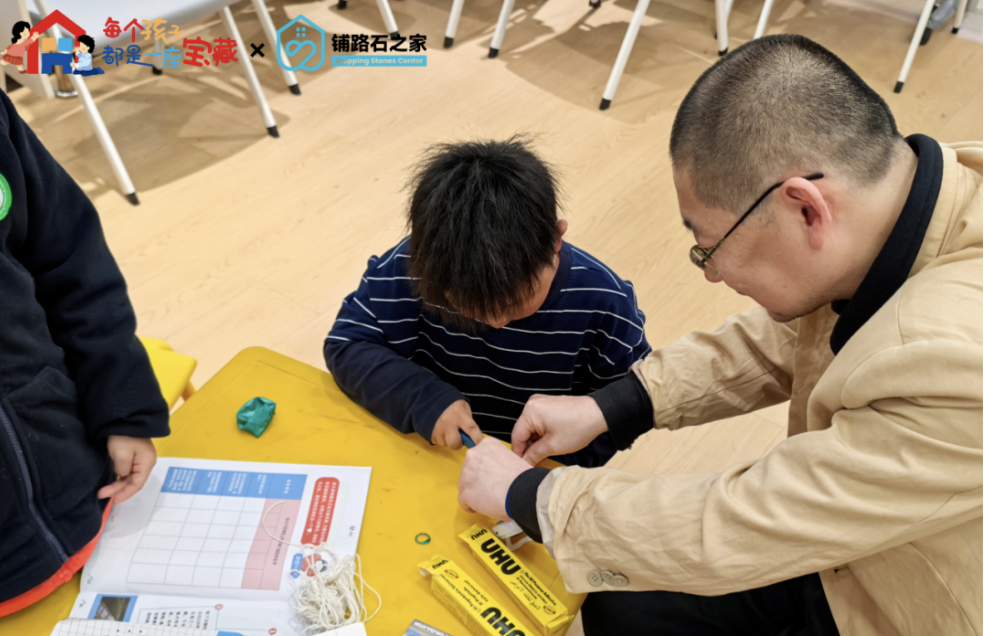
Together, they counted: “1, 2, 3…”
At another table, one child worked carefully on assembling the frame, then leaned over to ask the group leader what to do next. Meanwhile, the leader was completely absorbed in shaping clay and didn’t notice. A moment later, he looked up and asked, “Wait! What are we supposed to do next?”
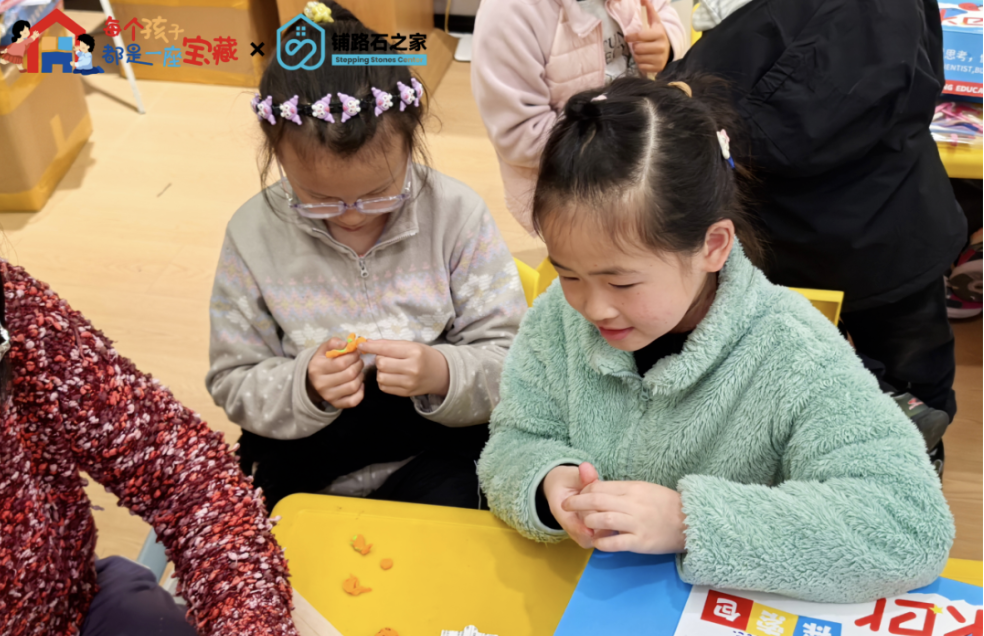
A volunteer laughed, “Aren’t you the leader?” The whole group burst into laughter. In a child’s world, there are no rigid roles, just joyful chaos and shared happiness.
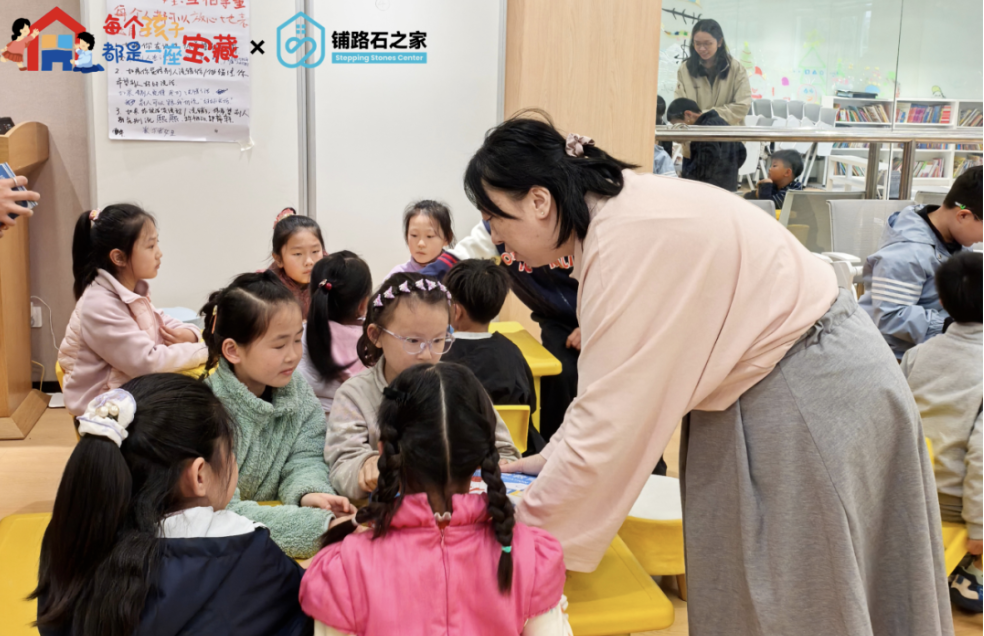
Even small classroom moments revealed both visible playfulness and invisible kindness.
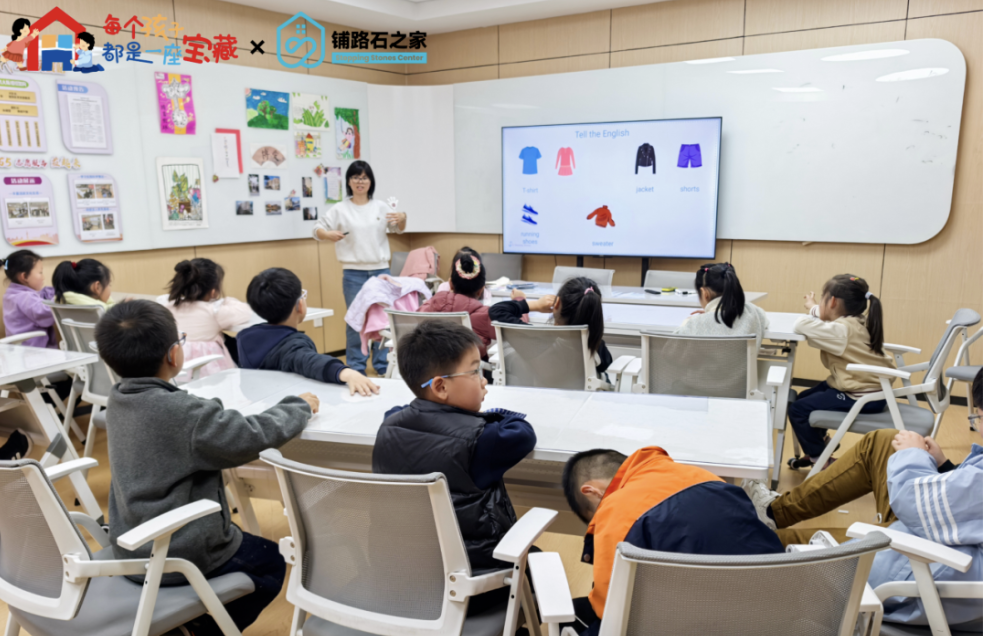
In the fun English activities class, the teacher introduced English words for clothing, including shirts, skirts, and jackets. The children’s soft voices gave these new words a special charm. Midway through the lesson, the teacher’s clicker stopped working. As she tried to fix it, a child at the back covered his mouth and whispered, “The teacher’s stuck!”
The nearby children giggled quietly, but no one became restless. They stayed seated, waiting patiently, their curiosity shining through without a hint of impatience.
Even their mischief carries a gentle kindness.
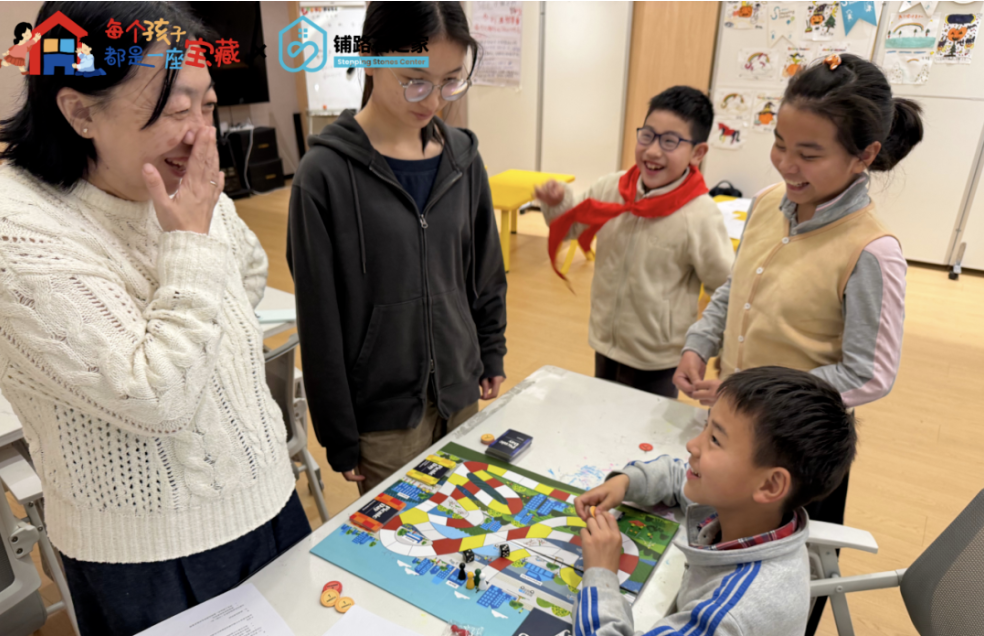
After-school care brought its own kind of joy. Once homework was finished, we introduced a picnic-themed financial literacy board game, inviting the children to take on “money-smart missions”.
Each child received ten yuan in chips, along with a game board, tokens, and colourful cards. Yellow cards represented income and expenses, red cards presented decisions, and a price list guided their choices.
Before the game began, each child carefully selected four foods for their picnic. Then the game started. Dice rolled, cheers and soft sighs followed, and tokens moved across the board. When landing on a decision space, children paused to think. When drawing income or expense cards, they counted and calculated with surprising focus, some even furrowed their brows as if managing a real budget.
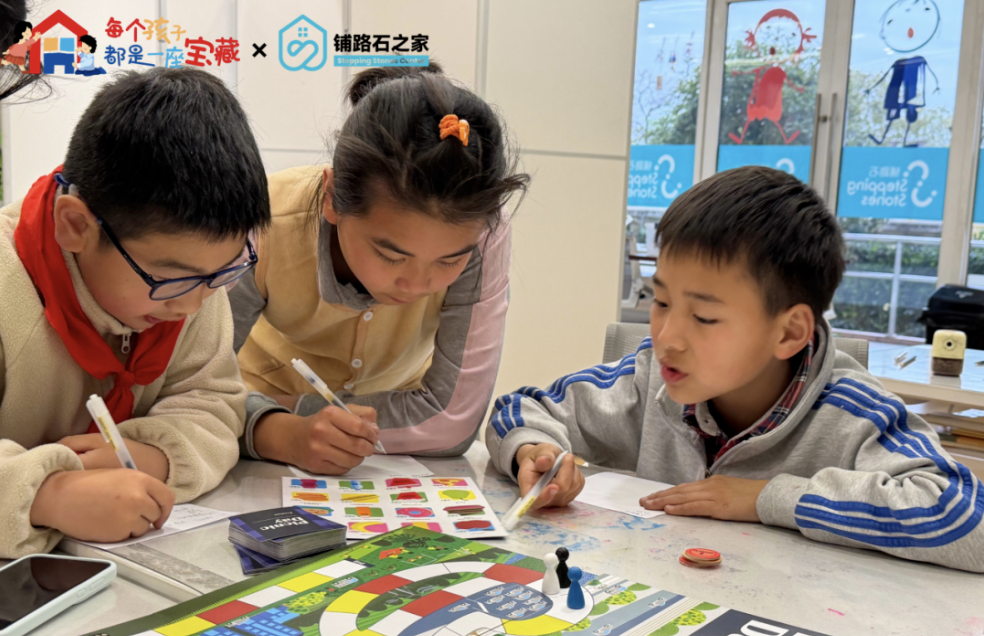
One child excitedly moved forward after drawing a special card, then asked, “Do I draw another card?” When told it was one per turn, he calmly returned to his seat to wait.
Time ran out before the game could be completed, but not a single child felt disappointed. They gathered around, chatting eagerly about what they would do next time – their faces still glowing with excitement.
It turns out that joy doesn’t always come from finishing something, it comes from being part of the experience, sharing laughter along the way. This unfinished game introduced basic financial concepts while encouraging planning, thinking, and joyful interaction.
And just like that, the week slipped by filled with laughter and companionship.
Within this small centre, we gather the children’s visible smiles while quietly nurturing their invisible growth. It lives in the sensitivity within their simple words, the gentleness woven into who they are, the patience found in counting “1, 2, 3”, and the quiet thoughtfulness that appears in the smallest moments. It grows in the early sparks of planning and reflection that emerge so naturally through play.
This place will always be a steady and warm stepping stone along each child’s journey of growth.